The 21-Day Bone Broth Diet, created by Dr. Kellyann Petrucci, is a structured program blending Paleo principles with intermittent fasting for gut health and overall wellness.
This diet utilizes bone broth’s nutritional benefits alongside a cyclical eating and fasting schedule, aiming to reduce inflammation and support weight management goals.
What is the 21-Day Bone Broth Diet?
The 21-Day Bone Broth Diet is a specific dietary approach designed by Dr. Kellyann Petrucci, centered around consuming bone broth daily and following a cyclical eating pattern. It’s not simply about drinking broth; it’s a comprehensive plan combining Paleo-inspired eating for five days, followed by two days of reduced caloric intake, essentially a modified fast.
This diet leverages the purported gut-healing properties of bone broth, rich in collagen, gelatin, and amino acids. The 5:2 intermittent fasting component aims to further enhance these benefits, promoting detoxification and reducing bloating. The program emphasizes clean, low FODMAP foods during the eating phases to minimize digestive distress and maximize nutrient absorption. It’s a 21-day commitment to reset digestive health and potentially achieve weight loss.
The Core Principles: Paleo & Intermittent Fasting
The 21-Day Bone Broth Diet fundamentally relies on two key principles: the Paleo diet and intermittent fasting (specifically, a 5:2 approach). The Paleo aspect focuses on consuming foods presumed to be available to early humans – meats, fish, vegetables, fruits, and nuts – while excluding grains, legumes, dairy, and processed foods.
This aims to reduce inflammation and improve digestion. Intermittent fasting, in this context, involves five days of relatively normal (Paleo-aligned) eating, followed by two days of significantly reduced calorie intake. This cycle is repeated throughout the 21-day plan. The combination is believed to amplify the benefits of each individually, promoting gut healing, weight management, and overall well-being through nutrient density and periods of digestive rest.
Understanding Bone Broth
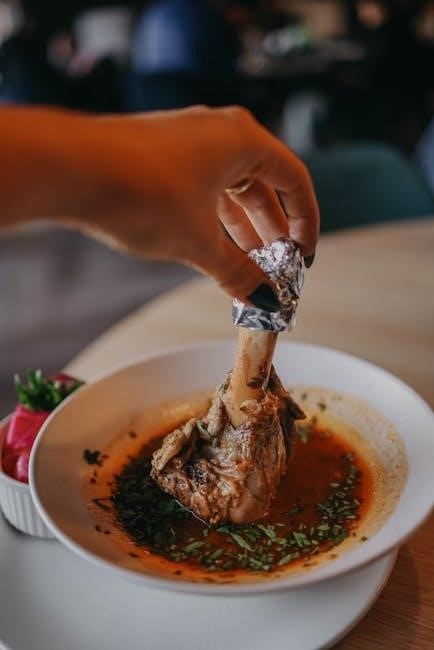
Bone broth, a nutrient-rich liquid, is central to this diet, lauded for its collagen, amino acids, and minerals that support gut health and reduce inflammation.
Nutritional Benefits of Bone Broth

Bone broth is celebrated for its impressive nutritional profile, stemming from the long simmering of animal bones and connective tissues. This process extracts collagen, which is broken down into amino acids like glycine and proline, crucial for gut lining integrity and skin health.

Furthermore, bone broth is a source of glucosamine and chondroitin, compounds often used to support joint health. It also contains essential minerals like calcium, magnesium, phosphorus, and potassium, contributing to bone density and overall well-being.
The gentle nutrients in bone broth are easily digestible, making it beneficial for individuals with digestive issues. Its amino acid content aids in detoxification and supports a healthy immune system, contributing to reduced inflammation throughout the body. Regular consumption can promote improved digestion and a strengthened gut barrier.
Types of Bone Broth: Beef, Chicken, Fish
Bone broth isn’t a one-size-fits-all solution; it comes in various forms, each offering unique benefits. Beef bone broth is rich in collagen and gelatin, promoting gut health and joint support, boasting a robust flavor. Chicken bone broth is lighter and more easily digestible, providing a good source of chondroitin for cartilage health.
Fish bone broth, often made from salmon or other bony fish, is an excellent source of iodine and omega-3 fatty acids, supporting thyroid function and reducing inflammation. It’s typically quicker to prepare than beef or chicken broth.
The choice depends on individual preferences and dietary needs. While beef and chicken are common, fish broth offers a unique nutritional profile. All types contribute to the diet’s focus on gut healing and overall wellness.
Making Your Own Bone Broth vs. Store-Bought
Choosing between homemade and store-bought bone broth is a key consideration. Homemade broth allows complete control over ingredients, ensuring high quality and avoiding unwanted additives like sodium or preservatives. It’s cost-effective, utilizing leftover bones from roasted chicken or beef, maximizing nutritional value.
However, homemade broth requires significant simmering time – often 12-24 hours – demanding planning and patience. Store-bought options offer convenience, readily available in various flavors and formulations.
When selecting store-bought, prioritize brands with organic, grass-fed bones and low sodium content. Carefully review the ingredient list. While convenient, store-bought may lack the depth of flavor and nutrient density of a slow-simmered homemade version.
The 21-Day Diet Plan Breakdown
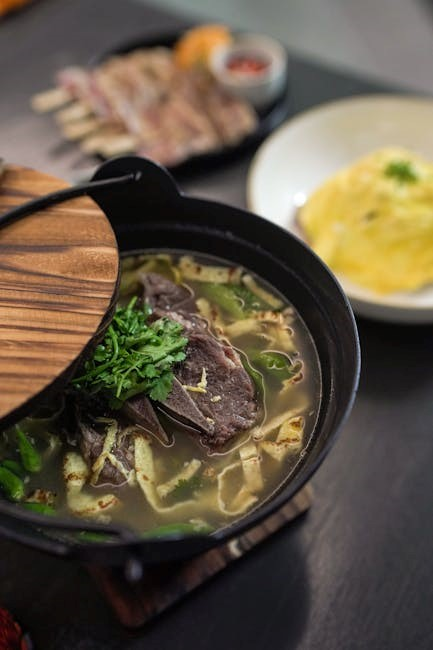
The 21-day plan cycles through 5-day Paleo-inspired eating phases and 2-day fasting periods, repeating this 7-day sequence three times for optimal gut healing.
Phase 1: The 5-Day Eating Phase (Paleo-Inspired)
During the initial 5-day phase, the diet emphasizes a Paleo-inspired approach, focusing on whole, unprocessed foods. This means prioritizing lean proteins like chicken and fish, alongside non-starchy vegetables and healthy fats.
Crucially, bone broth consumption is integrated throughout these five days, aiming to deliver its gut-healing nutrients. Carbohydrate intake is limited, and grains, legumes, and dairy are generally avoided, mirroring the core tenets of the Paleo diet.
The goal isn’t strict Paleo adherence, but rather a foundation of clean eating to prepare the body for the subsequent fasting phase. Individuals are encouraged to drink bone broth daily, alongside meals, to maximize its benefits.
Phase 2: The 2-Day Fasting Phase
The 2-day fasting phase represents a key component of the 21-day plan, utilizing a modified intermittent fasting approach. Calorie intake is significantly reduced during these two days, but it’s not a complete fast. Instead, individuals consume limited amounts of bone broth throughout the day – typically around 6 cups.
This provides essential nutrients while promoting autophagy, a cellular cleansing process. Small amounts of non-starchy vegetables, like leafy greens, may also be permitted. The focus remains on minimizing digestive workload and allowing the gut to heal.
Hydration is crucial during this phase, alongside electrolyte replenishment to combat potential imbalances. This phase is designed to amplify the benefits initiated during the 5-day eating period.
Cycle Repetition: Repeating the 7-Day Cycle
The 21-Day Bone Broth Diet is structured around repeating a consistent 7-day cycle three times to achieve optimal results. Each cycle consists of a 5-day Paleo-inspired eating phase followed immediately by a 2-day fasting phase centered around bone broth consumption.
This cyclical approach is designed to maximize gut healing, reduce inflammation, and promote sustainable weight management. Consistency is paramount; adhering to the schedule is crucial for experiencing the diet’s full benefits.
Repeating the cycle allows the body to adapt and respond more effectively to the dietary changes. It also reinforces healthy habits and provides opportunities to refine meal planning and preparation skills.

Dietary Guidelines & Restrictions
The 21-Day Bone Broth Diet emphasizes Paleo-friendly foods during eating phases, while strictly limiting processed foods, sugar, and grains throughout the entire 21-day period.
Foods Allowed on the 5-Day Eating Phase
During the five-day eating phase of the 21-Day Bone Broth Diet, a Paleo-inspired approach is key. This means focusing on whole, unprocessed foods. Lean proteins like chicken, turkey, fish, and grass-fed beef are encouraged, alongside non-starchy vegetables such as broccoli, spinach, and kale.
Healthy fats are also a crucial component, including avocados, olive oil, and coconut oil. Small portions of fruits with lower sugar content, like berries, are permissible. Bone broth itself is a staple, consumed throughout the day to maximize its benefits.
It’s important to prioritize nutrient-dense options and ensure adequate hydration. The goal is to nourish the body while supporting gut healing and reducing inflammation, setting the stage for the subsequent fasting phases.
Foods to Avoid During the Entire 21 Days
Throughout the entire 21-day program, several food groups are strictly prohibited to optimize results and support gut healing. These include all grains – wheat, rice, corn, and oats – as well as legumes like beans, lentils, and peanuts. Dairy products, including milk, cheese, and yogurt, are also eliminated due to their potential inflammatory effects.
Processed foods, refined sugars, and artificial sweeteners are completely off-limits. Nightshade vegetables (tomatoes, peppers, eggplant, potatoes) are often restricted due to potential sensitivities. Alcohol and caffeine should also be avoided.
The diet emphasizes a clean eating approach, removing foods that can hinder digestion, contribute to inflammation, or disrupt gut health, paving the way for improved well-being.
Low FODMAP Considerations
The 21-Day Bone Broth Diet often incorporates Low FODMAP principles to further minimize digestive distress and bloating. FODMAPs – Fermentable Oligosaccharides, Disaccharides, Monosaccharides, and Polyols – are short-chain carbohydrates that can be poorly absorbed in the small intestine. This leads to fermentation by gut bacteria, causing gas, bloating, and discomfort in sensitive individuals.
During the diet, high-FODMAP foods like onions, garlic, apples, pears, and certain dairy products are limited or avoided. Focus shifts to low-FODMAP alternatives, such as carrots, spinach, blueberries, and lactose-free options.
This approach supports gut healing by reducing the fermentable substrate available to gut bacteria, promoting a healthier gut microbiome and improved digestion.

Maximizing Results & Potential Benefits
The diet aims to improve gut health, reduce inflammation, boost immunity, and aid weight management by combining bone broth with a focused eating plan.
Gut Healing & Digestion Improvement
Bone broth is central to the 21-Day plan, offering gentle nutrients believed to support gut lining repair and improved digestion. The diet’s focus on Paleo-inspired foods further aids this process by eliminating common irritants like gluten and processed sugars.
Collagen and gelatin, abundant in bone broth, may help strengthen the intestinal barrier, potentially reducing leaky gut symptoms. The intermittent fasting phases provide the digestive system with periods of rest and rejuvenation, allowing it to focus on healing.
Many proponents report reduced bloating and improved regularity while following the diet, attributing these benefits to the gut-healing properties of bone broth and the elimination of inflammatory foods.
Reducing Inflammation & Boosting Immunity
The 21-Day Bone Broth Diet aims to reduce systemic inflammation through its dietary components and cyclical fasting. Bone broth contains amino acids like glycine and proline, known for their anti-inflammatory effects, potentially easing joint pain and improving skin health.
By eliminating processed foods, sugars, and common allergens, the diet minimizes inflammatory triggers within the body. Intermittent fasting further contributes by activating cellular repair processes and reducing oxidative stress.
A healthier gut, fostered by the diet, directly supports immune function, as a significant portion of the immune system resides within the digestive tract. Improved immunity can lead to fewer illnesses and a greater sense of well-being.
Weight Management & Bloating Reduction
The 21-Day Bone Broth Diet can support weight management by promoting satiety and reducing overall calorie intake during the five-day eating phases, focused on Paleo-inspired, whole foods. The intermittent fasting component further aids weight loss by creating a calorie deficit and boosting metabolism.
Bloating is often linked to gut inflammation and digestive issues; the diet addresses these through bone broth’s gut-healing properties and the elimination of common bloating triggers like processed foods and FODMAPs.
Improved digestion and reduced inflammation contribute to a flatter stomach and a decrease in water retention, leading to a noticeable reduction in bloating and a more streamlined physique.
Potential Side Effects & Precautions
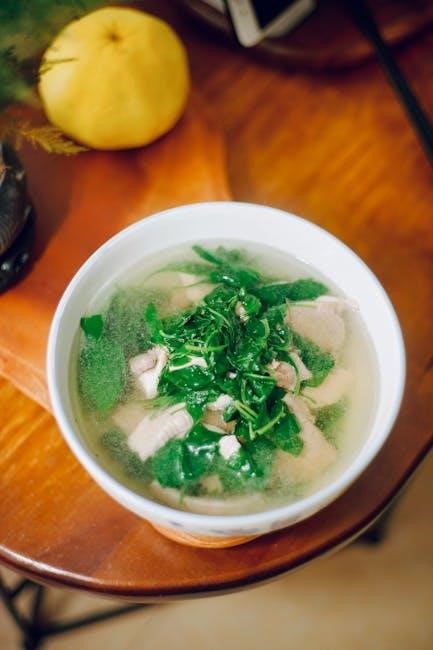
During fasting, expect potential side effects like fatigue, headaches, or irritability. This diet isn’t suitable for pregnant/nursing women or those with medical conditions.
Common Side Effects During the Fasting Phase
The two-day fasting phase of the 21-Day Bone Broth Diet can induce several temporary side effects as your body adjusts to reduced caloric intake. Many individuals report experiencing fatigue, weakness, and a general lack of energy. Headaches are also frequently noted, often stemming from dehydration or electrolyte imbalances; Some may encounter irritability, mood swings, or difficulty concentrating.
Digestive discomfort, such as nausea or constipation, can occur as your system adapts. It’s crucial to stay adequately hydrated by consuming plenty of bone broth and water during these fasting periods. These side effects are typically mild and subside within the first few fasts as your body becomes accustomed to the protocol. Listen to your body and adjust as needed.
Who Should NOT Follow This Diet
The 21-Day Bone Broth Diet isn’t suitable for everyone and requires careful consideration of individual health circumstances. Individuals with a history of eating disorders should avoid this restrictive diet due to potential triggering effects. Pregnant or breastfeeding women need adequate nutrition and shouldn’t undertake any fasting regimen.
People with type 1 or type 2 diabetes should consult their doctor before starting, as fasting can significantly impact blood sugar levels. Those with kidney problems or adrenal fatigue should also seek medical advice, as the diet’s demands could exacerbate these conditions. Individuals taking medications should discuss potential interactions with their healthcare provider before beginning the plan.
Resources & Support
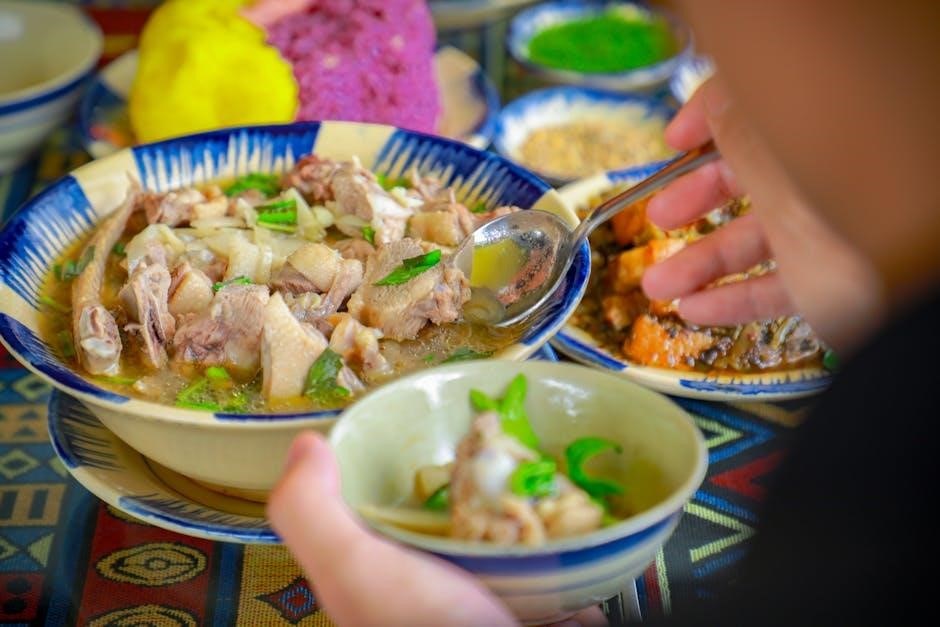
Dr. Kellyann Petrucci’s official website provides recipes, meal plans, and support for the 21-Day Bone Broth Diet, aiding successful implementation.
Numerous online resources offer additional bone broth recipes and community forums for shared experiences and encouragement throughout the diet.
Dr. Kellyann Petrucci’s Official Resources
Dr. Kellyann Petrucci, the creator of the 21-Day Bone Broth Diet, offers a comprehensive suite of resources on her official website, drkellyann.com. Here, you’ll find the foundational information for understanding the diet’s principles and maximizing its benefits.
The website features a dedicated section for the diet, including detailed meal plans, shopping lists, and a wealth of bone broth recipes – both traditional and innovative. You can also access downloadable guides and checklists to help you stay on track throughout the 21-day program.
Furthermore, Dr. Petrucci provides video content explaining the science behind the diet, demonstrating proper bone broth preparation, and offering motivational support. Her online community forum allows dieters to connect, share experiences, and receive guidance from both Dr. Petrucci and fellow participants. These resources are invaluable for a successful and informed dietary journey.
Finding Bone Broth Recipes & Meal Plans
Beyond Dr. Kellyann’s official resources, a plethora of bone broth recipes and meal plans are readily available online to support your 21-Day Bone Broth Diet journey. Numerous food blogs and wellness websites offer variations tailored to different tastes and dietary needs.
Pinterest is a fantastic visual resource, brimming with recipe ideas and meal planning inspiration. Websites like Allrecipes and Food Network also feature bone broth-centric dishes. For Paleo-focused meal plans specifically designed to complement the diet, explore websites dedicated to Paleo living.
Many downloadable PDF guides, often available for free or purchase, provide structured meal plans and shopping lists. Remember to prioritize recipes adhering to the diet’s Paleo-inspired guidelines and low-FODMAP considerations for optimal results and digestive comfort.
