Procion dyes offer vibrant‚ permanent color on cellulose fibers like cotton‚ linen‚ and rayon‚ becoming increasingly popular for DIY fashion and textile art.
These fiber-reactive dyes bond directly with the fabric‚ resulting in exceptional wash fastness and brilliant hues‚ making them ideal for various dyeing techniques.
Procion MX dyes are renowned for their ease of use‚ versatility‚ and ability to create stunning effects‚ from classic tie-dye to sophisticated gradients.
Numerous tutorials and resources are available online‚ empowering both beginners and experienced artists to explore the world of Procion dye instructions.
What are Procion Dyes?
Procion dyes‚ specifically the Procion MX series‚ represent a class of fiber-reactive dyes celebrated for their exceptional performance on plant-based fibers. These dyes aren’t simply coating the fabric; they form a covalent bond with the cellulose molecules‚ creating a permanent and incredibly wash-fast coloration.
Unlike direct dyes‚ which can bleed or fade‚ Procion dyes become an integral part of the fiber itself. This chemical reaction requires an alkaline environment‚ typically achieved with soda ash (sodium carbonate). The resulting colors are remarkably bright and durable‚ making them a favorite among textile artists and DIY enthusiasts.
Understanding this reactive nature is key to successful dyeing instructions‚ as proper preparation and application are crucial for optimal color development and longevity. They are a cornerstone of modern textile art.
Why Choose Procion Dyes?
Procion dyes stand out due to their superior wash fastness and vibrant color palette‚ offering a lasting brilliance unmatched by many other dyeing methods. Their ease of use makes them perfect for beginners following dyeing instructions‚ while experienced artists appreciate their versatility for complex techniques.
These dyes require minimal equipment and are suitable for a wide range of cellulose fibers‚ including cotton‚ linen‚ and rayon. Furthermore‚ Procion dyes are relatively non-toxic compared to some older dye types‚ enhancing their appeal.
The ability to create custom colors and achieve stunning effects‚ from tie-dye to gradients‚ solidifies their position as a top choice for textile projects.
Preparing Your Fabric for Dyeing
Procion dye instructions emphasize thorough fabric preparation for optimal color absorption and lasting results; scouring removes impurities‚ ensuring even dye uptake.
Proper preparation is key to vibrant‚ wash-fast colors and successful dyeing projects.
Scouring the Fabric
Procion dye instructions consistently highlight scouring as a crucial first step. This process removes inherent fabric finishes like sizing‚ oils‚ and waxes that impede dye absorption‚ leading to uneven or muted colors. To effectively scour‚ wash the fabric in hot water with a pH-neutral detergent‚ such as Synthrapol‚ or a mild dish soap.
Agitate the fabric well for at least 30 minutes‚ then rinse thoroughly until the water runs clear. A simple test—dropping water onto the fabric—can indicate completion; if it absorbs quickly‚ scouring was successful. Skipping this step can result in disappointing results‚ so prioritize thorough cleaning for vibrant‚ lasting color!
Pre-Washing Considerations
Following scouring‚ Procion dye instructions often recommend a pre-wash to remove any residual detergent or scouring agents. Use warm water and a minimal amount of detergent‚ ensuring a thorough rinse afterward. This step is particularly important if you’re using a detergent with optical brighteners‚ as these can interfere with the dye’s vibrancy.
Pre-washing also helps to relax the fabric fibers‚ promoting more even dye penetration. Avoid using fabric softeners or dryer sheets‚ as they leave a coating that resists dye absorption. Properly prepared fabric is key to achieving brilliant‚ consistent results with Procion dyes.
Fabric Types Suitable for Procion Dyes
Procion dye instructions emphasize their effectiveness on cellulose fibers. These include cotton‚ linen‚ rayon‚ and hemp – materials with plant-based origins. Silk‚ while natural‚ requires a different dye type. Synthetic fabrics like polyester generally won’t accept Procion dyes without specialized pre-treatment.
The dye bonds chemically with the fiber‚ making it ideal for natural materials. Fabric weight doesn’t significantly impact the process‚ but tighter weaves may require more agitation for even color distribution. Always test a small swatch first‚ especially with blended fabrics‚ to ensure optimal dye uptake and colorfastness.
Essential Dyeing Supplies
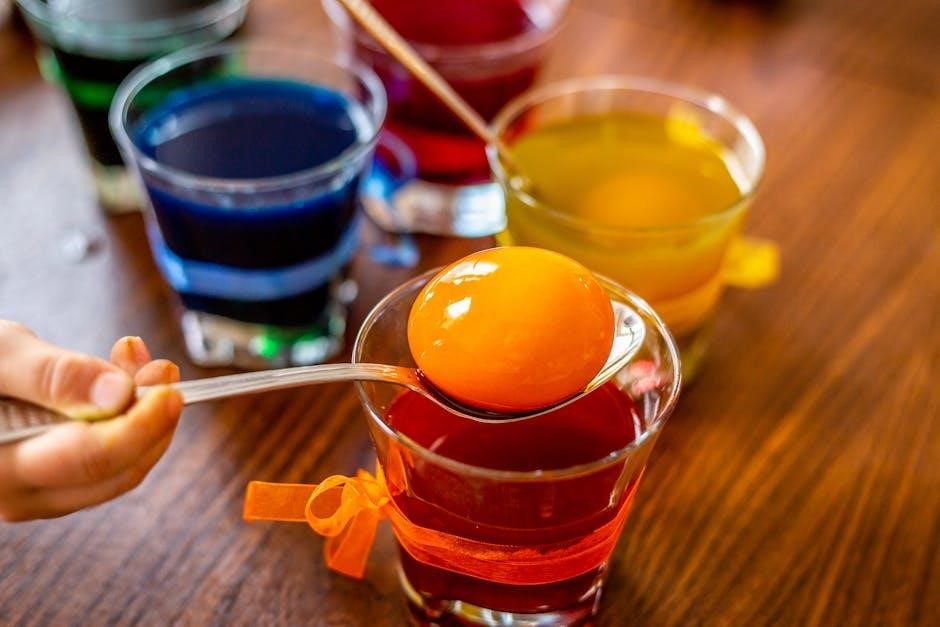
Procion dye instructions require key materials: dye powders‚ soda ash (fixative)‚ urea (optional for brightness)‚ buckets‚ gloves‚ and a well-ventilated workspace for success.
Procion MX Dye Powders
Procion MX dyes are the cornerstone of successful Procion dye instructions‚ celebrated for their intense color and exceptional permanence on plant-based fibers. These highly concentrated powders offer a vast spectrum of shades‚ allowing for endless creative possibilities.
Available individually or in convenient starter sets‚ they mix readily with cool water to create vibrant dye solutions. Understanding the color charts is crucial; a little dye goes a long way! Proper storage in airtight containers‚ away from light and moisture‚ preserves their potency.
Always refer to Procion dye instructions for specific color mixing ratios and safety guidelines when handling these powerful pigments.
Soda Ash (Sodium Carbonate)
Soda ash‚ or sodium carbonate‚ is a vital component in Procion dye instructions‚ acting as a pH adjuster that enables the dye to chemically bond with cellulose fibers. It’s not a direct coloring agent‚ but rather a crucial catalyst for the dyeing process.
Typically dissolved in water before adding to the dye bath‚ soda ash raises the alkalinity‚ facilitating the dye’s reaction with the fabric. Accurate measurement is key; too little results in weak color‚ while too much can damage fibers.
Always follow Procion dye instructions regarding concentration and safety precautions when handling this alkaline chemical.
Urea (Optional‚ for Color Brightness)
Urea‚ while optional‚ significantly enhances the vibrancy and intensity of colors when following Procion dye instructions‚ particularly with brighter shades. It functions as a moisture retainer‚ preventing premature dye evaporation and allowing for a more thorough chemical reaction between the dye and fabric.
Adding urea to the dye bath is especially beneficial in drier climates or when dyeing during warmer months. It doesn’t directly impact the dye’s bonding process but optimizes conditions for optimal color development.
Refer to specific Procion dye instructions for recommended urea concentrations‚ as excessive amounts aren’t necessary.
Dye Mixing and Application Techniques
Procion dye instructions emphasize precise measurements for consistent results; explore various methods like immersion‚ low-water‚ ice dyeing‚ and direct application for creative expression.
Calculating Dye Amounts
Procion dye instructions highlight that accurate dye calculations are crucial for achieving desired color depths. Typically‚ a 1% dye concentration (weight of dye to weight of fabric) yields a pastel shade‚ while 3-4% creates a vibrant‚ deep color.
Begin by weighing your dry fabric to determine the necessary dye quantity. For example‚ 100 grams of fabric requires 1-4 grams of dye powder. Always refer to the dye manufacturer’s recommendations‚ as dye strengths can vary.
Experimentation is key! Start with a smaller amount of dye and test on a swatch before committing to the entire project. Keep detailed records of your dye ratios for future reference and consistent results.
Creating Dye Solutions
Procion dye instructions emphasize dissolving dye powder in lukewarm water before adding it to the dye bath. Begin with a small amount of water – enough to create a concentrated paste – and thoroughly mix to eliminate clumps.
Once the paste is smooth‚ gradually add more water until you reach the desired volume for your project. Avoid using hot water‚ as it can degrade the dye. Stir continuously to ensure complete dissolution.
Filtering the dye solution through a fine-mesh sieve or cheesecloth removes any undissolved particles‚ preventing speckling on your fabric. A clear‚ even solution is essential for uniform dyeing results.
Immersion Dyeing Method
Procion dye instructions for immersion dyeing involve fully submerging the prepared fabric in the dye bath‚ ensuring even coverage. Gently agitate the fabric throughout the dyeing process to promote uniform color absorption.
Maintain consistent movement‚ avoiding bunching or folding‚ which can lead to uneven results. Dyeing time typically ranges from 15 minutes for pastel shades to 30 minutes or longer for deeper‚ more saturated colors.
Regularly check the color intensity‚ remembering that the fabric will appear lighter when dry. This method is ideal for solid colors or simple patterns‚ offering a straightforward approach to dyeing.
Low Water Immersion Technique
Procion dye instructions for the low water immersion technique utilize a minimal amount of liquid‚ concentrating the dye for intense color. The fabric is initially scoured and pre-washed‚ then crumpled or folded to create resist patterns.
Dissolve the dye powder in a small volume of warm water‚ then pour it over the fabric in a container. Gently massage the dye into the fibers‚ ensuring even distribution. Add soda ash solution to fix the dye‚ promoting a strong chemical bond.
This method yields unique‚ mottled effects‚ ideal for artistic expression and creative textile designs. It requires less water and dye compared to traditional immersion dyeing.
Ice Dyeing Tutorial
Procion dye instructions for ice dyeing involve placing fabric on a rack and covering it with ice. Sprinkle dye powders directly onto the ice‚ allowing the melting ice to distribute the color. This creates unpredictable‚ watercolor-like patterns.
The melting ice acts as both a delivery system for the dye and a resist‚ preventing colors from blending too much. After the ice melts‚ thoroughly rinse the fabric to remove excess dye; Follow with a soda ash soak to fix the color‚ ensuring wash fastness.
Experiment with different dye colors and fabric folding techniques for varied results.
Tie-Dye Techniques with Procion Dyes
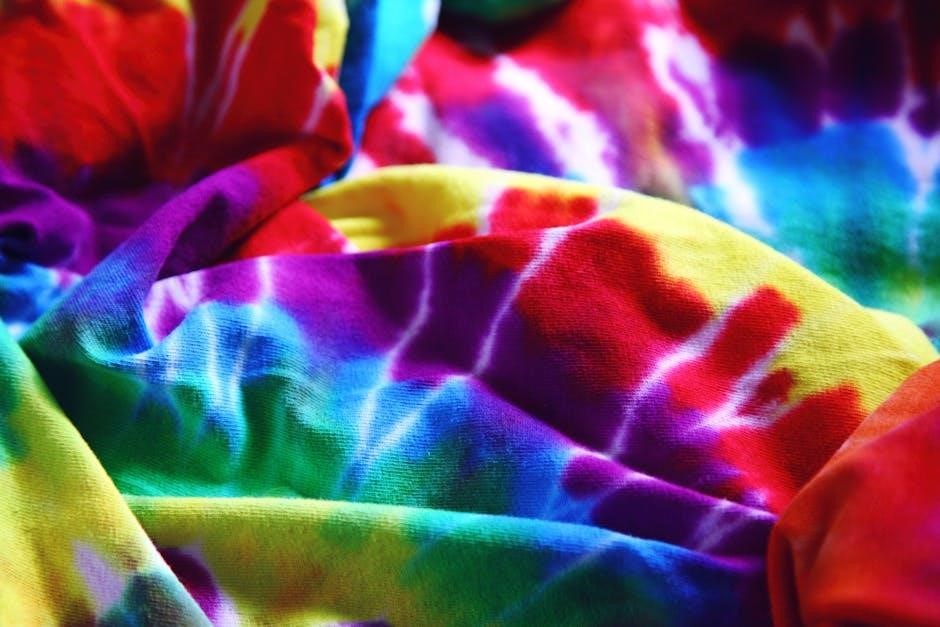
Procion dye instructions for tie-dye begin with preparing the fabric and choosing a tie-dye pattern – spirals‚ bullseyes‚ or stripes are popular. Secure the fabric with rubber bands to create the desired resist design.
Mix Procion MX dyes with water‚ then apply them to the bound fabric using squeeze bottles or brushes. Ensure the dye penetrates the fabric thoroughly. Allow the dye to react for at least 6-8 hours‚ or preferably overnight‚ for optimal color development.
Rinse thoroughly and wash with a mild detergent to remove excess dye‚ revealing your unique tie-dye creation.
Direct Application with Applicator Bottles
Procion dye instructions utilizing applicator bottles offer precise control for detailed designs. Mix Procion MX dye powder with water‚ creating a concentrated dye solution. Fill applicator bottles with the prepared dye mixtures‚ ensuring they are well-shaken.
Apply the dye directly onto the fabric‚ outlining patterns or creating freehand designs. This method is excellent for intricate artwork and localized color placement. Allow the dye to react for a minimum of 6-8 hours‚ covered in plastic to maintain moisture.
Rinse thoroughly and wash to reveal the vibrant‚ detailed design.
Dyeing Process: Step-by-Step Instructions
Procion dye instructions begin with mixing dye‚ adding soda ash for reactivity‚ immersing fabric‚ and allowing sufficient dyeing time with gentle agitation.
Mixing the Dye Bath
Procion dye instructions for bath preparation are crucial for successful dyeing. Begin with warm water – not hot – in a container dedicated solely to dyeing‚ avoiding metal. Gradually add the Procion MX dye powder‚ stirring constantly to ensure complete dissolution and prevent clumping.
The amount of dye used dictates color intensity; more dye equals a deeper shade. Ensure thorough mixing‚ as undissolved particles can cause speckling. Some dyers add urea to the dye bath‚ enhancing color brightness‚ especially with certain shades.
Remember‚ the dye bath is now potent‚ so handle with care and always wear gloves. This prepared solution is ready for the next step: adding soda ash to activate the dye’s reactivity.
Adding Soda Ash
Procion dye instructions emphasize the critical role of soda ash (sodium carbonate) in the dyeing process. Soda ash raises the pH‚ activating the dye to bond with the fabric fibers. Dissolve the soda ash in warm water separately from the dye bath – this prevents premature reaction.
Slowly add the dissolved soda ash to the dye bath‚ stirring gently but thoroughly. Avoid vigorous agitation‚ which can create foam. The solution will likely become cloudy; this is normal.
Adding soda ash initiates the dyeing process‚ so work quickly to immerse the fabric. The fabric must be fully saturated for even color absorption. Always wear gloves and eye protection when handling soda ash.
Immersing the Fabric
Following Procion dye instructions‚ carefully submerge your pre-wetted and scoured fabric into the dye bath‚ ensuring complete coverage. Gently work the dye solution into the fibers‚ avoiding harsh squeezing or twisting‚ which can lead to uneven coloration.
Maintain full submersion throughout the dyeing process; the fabric should not be exposed to air. For larger items‚ periodically agitate the dye bath to promote even dye uptake.
Ensure the fabric remains fully immersed for the recommended dyeing time‚ typically 20-60 minutes‚ depending on desired color intensity. Consistent contact is key for vibrant‚ lasting results.
Dyeing Time and Agitation
Following Procion dye instructions‚ dyeing time significantly impacts color intensity; 15 minutes yields pastels‚ while 30-60 minutes creates deeper shades. Consistent agitation is crucial for even dye distribution throughout the fabric.
Gently stir or rotate the fabric within the dye bath every 5-10 minutes‚ ensuring all areas receive adequate dye exposure. Avoid vigorous stirring‚ which can cause unwanted patterns or damage delicate fibers.
For optimal results‚ maintain consistent temperature and agitation throughout the dyeing process. Proper timing and movement guarantee vibrant‚ uniform coloration‚ adhering to reliable Procion dye instructions.
Post-Dyeing Procedures
Procion dye instructions emphasize thorough rinsing to remove excess dye‚ followed by a gentle wash and air drying to set the color permanently.
Rinsing the Dyed Fabric
Procion dye instructions highlight the critical importance of rinsing to eliminate unbonded dye particles‚ preventing color bleeding and ensuring washfastness. Begin with cool water‚ gently agitating the fabric until the water runs mostly clear.
Gradually increase the water temperature‚ continuing to rinse until the water is completely clear – this may take a considerable amount of time. Avoid harsh scrubbing‚ which can damage the fibers and affect the color.
A final rinse with cool water helps to close the fiber scales‚ further locking in the dye. Remember‚ thorough rinsing is paramount for vibrant‚ long-lasting results!
Washing the Dyed Fabric
Procion dye instructions emphasize a gentle first wash to remove any remaining loose dye. Use cold water and a mild‚ pH-neutral detergent – avoid harsh chemicals or bleach. Wash the dyed item separately from other laundry to prevent potential color transfer.
Subsequent washes can be done with similar colors‚ but always check for colorfastness first. A synthetic detergent can help to prevent dye migration.
Tumble drying on a low setting is generally safe‚ but air drying is preferable to preserve the vibrancy of the colors and prevent potential fading over time.
Drying Instructions
Procion dye instructions recommend air drying as the optimal method for preserving color vibrancy and preventing potential fading. Hang the dyed fabric in a shaded area‚ avoiding direct sunlight‚ which can cause colors to diminish over time.
If using a dryer‚ select a low heat setting; High heat can set any remaining loose dye‚ potentially leading to color bleeding in future washes.
Ensure the item is completely dry before storing to prevent mildew growth. Proper drying contributes significantly to the longevity and brilliance of your Procion-dyed creations.
Troubleshooting Common Dyeing Issues
Procion dye instructions often require adjustments; uneven color may stem from insufficient agitation‚ while faded shades indicate inadequate dye concentration or short dyeing times.
Color bleeding suggests incomplete rinsing‚ so rewash the item!
Uneven Dyeing
Procion dye instructions emphasize thorough agitation as a key to preventing uneven results. If you notice patchy or streaky coloration‚ it likely indicates insufficient movement of the fabric within the dye bath during the dyeing process.
Ensure the fabric is fully submerged and consistently moved or stirred throughout the recommended dyeing time‚ typically 15-30 minutes; Insufficient soda ash concentration can also contribute to uneven uptake; verify accurate measurement and complete dissolution.
Furthermore‚ tightly bound areas in tie-dye or shibori techniques may receive less dye penetration‚ resulting in lighter shades. Pre-soaking the fabric in soda ash solution can promote more uniform dye absorption.
Faded Colors
When following Procion dye instructions and experiencing faded colors‚ several factors could be at play. Insufficient dye concentration is a common culprit; always accurately measure dye powder based on the fabric weight and desired intensity.
Inadequate soda ash‚ crucial for dye fixation‚ can also lead to poor color retention. Ensure proper mixing and complete dissolution of soda ash in water before adding it to the dye bath.
Insufficient dyeing time or low water temperature may hinder complete dye bonding. Finally‚ harsh detergents or prolonged sun exposure during washing can contribute to fading; use gentle detergents and dry items inside out.
Color Bleeding
When adhering to Procion dye instructions‚ color bleeding can occur if the dye isn’t fully fixed to the fabric. This often stems from insufficient soda ash‚ the alkali that drives the dye-fiber bond. Ensure thorough mixing and complete dissolution of soda ash in water.
Improper rinsing after dyeing is another cause; continue rinsing until the water runs completely clear. Avoid washing newly dyed items with other laundry‚ especially light colors‚ for the first few washes.
Using excessive dye can also contribute to bleeding‚ so precise measurement is key. Finally‚ hot water during washing can exacerbate the issue; opt for cold or lukewarm water.
Safety Precautions When Dyeing
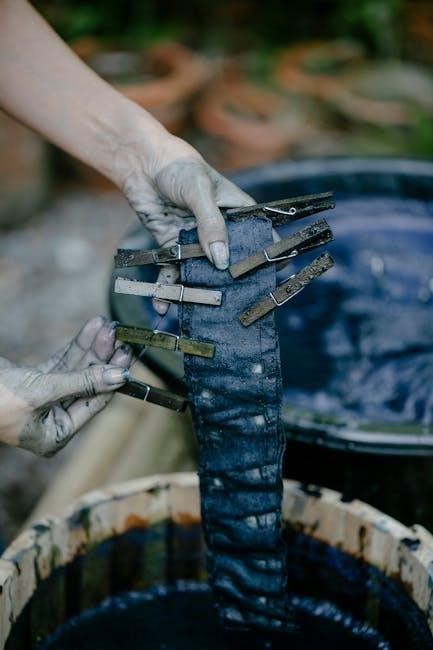
Procion dye instructions emphasize wearing gloves and a mask to avoid skin and respiratory irritation. Work in a well-ventilated area‚ and dispose of dye properly.
Protective Gear (Gloves‚ Mask)
Procion dye instructions consistently highlight the critical importance of personal protective equipment. Dye powders and solutions can cause skin irritation‚ so wearing gloves – nitrile or latex are recommended – is essential throughout the entire dyeing process.
Beyond skin protection‚ a dust mask or respirator is vital when handling dye powders. Inhaling these fine particles can irritate the respiratory system. Ensure the mask fits snugly to create a proper seal.
Eye protection‚ such as safety glasses‚ is also advisable to prevent accidental splashes. Prioritizing these safety measures ensures a comfortable and healthy dyeing experience‚ allowing you to fully enjoy the creative process without unnecessary risks.
Ventilation Requirements
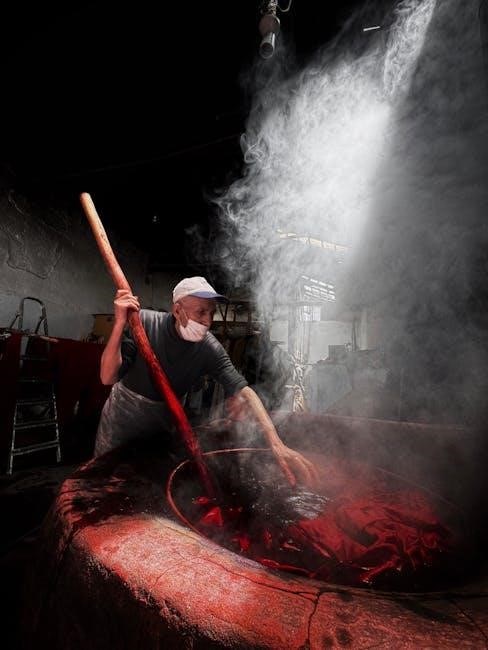
Effective Procion dye instructions emphasize the necessity of adequate ventilation during the dyeing process. While the dyes themselves aren’t highly toxic‚ working with powders and potentially releasing fumes necessitates a well-ventilated workspace.
Ideally‚ dye in a room with open windows or utilize a fan to circulate air. This minimizes the concentration of airborne dye particles‚ reducing the risk of respiratory irritation.
Avoid dyeing in enclosed‚ poorly ventilated spaces. Proper airflow is particularly crucial when mixing dye powders or using heated equipment. Prioritizing ventilation contributes to a safer and more comfortable dyeing environment‚ safeguarding your health while you create.
Proper Dye Disposal
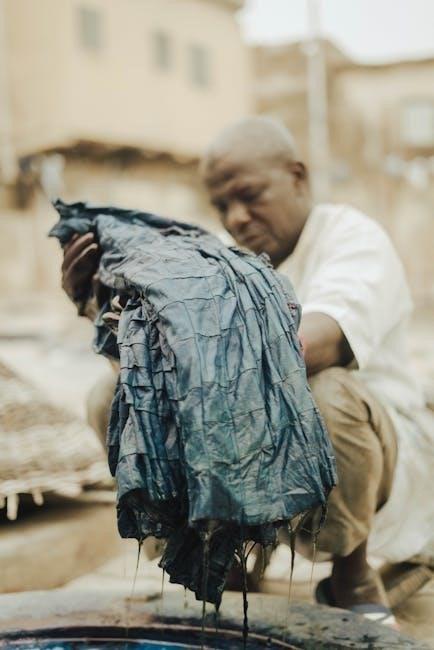
Following Procion dye instructions includes responsible disposal of dye solutions and materials. Never pour dye waste directly down the drain‚ as it can negatively impact water systems. Instead‚ dilute the used dye bath with plenty of water.
Consider using a dye disposal service if available in your area. Alternatively‚ you can attempt to neutralize the dye with a commercial dye neutralizer before disposal‚ following product guidelines carefully.
Solid dye remnants and contaminated materials should be sealed in a plastic bag and disposed of with regular household waste. Prioritize environmentally conscious practices to minimize the impact of your dyeing activities.
Color Charts and Dye Combinations
Procion dye instructions benefit from color charts‚ aiding shade selection and predicting results. Experimenting with dye mixing unlocks a spectrum of custom colors and unique effects!
Understanding Procion Dye Color Charts
Procion dye instructions are greatly enhanced by understanding color charts‚ which are essential tools for predicting dye outcomes. These charts typically showcase individual dye colors on various fabric types and concentrations.
They also illustrate potential color mixes‚ demonstrating how different dyes interact to create new shades. When interpreting a chart‚ remember that results can vary based on fabric type‚ water hardness‚ and dye application techniques.
Charts often include information on dye strength‚ allowing you to calculate the appropriate amount of dye for your desired intensity. Familiarizing yourself with these charts empowers you to confidently explore color combinations and achieve predictable‚ beautiful results following Procion dye instructions;
Mixing Colors to Achieve Desired Shades
Mastering Procion dye instructions involves understanding color mixing principles. Start with small amounts of dye powder‚ gradually adding to achieve your target shade; meticulous record-keeping is crucial for reproducibility.
Complementary colors (like red and green) create browns or grays when mixed‚ while analogous colors (neighbors on the color wheel) yield harmonious blends. Always test mixtures on scrap fabric before applying to your project.
Remember that dye colors appear more intense when wet‚ so allow the sample to dry completely for an accurate representation. Following these Procion dye instructions unlocks a world of custom color possibilities.
Resources and Further Learning
Procion dye instructions are widely available online through tutorials and websites‚ alongside comprehensive books detailing various dyeing techniques for all skill levels.
Online Tutorials and Websites
Numerous online platforms offer detailed Procion dye instructions‚ catering to both beginners and experienced dyers. Websites like Dharma Trading Co. provide extensive guides‚ color charts‚ and troubleshooting tips‚ alongside a comprehensive selection of dyes and supplies.
YouTube channels‚ such as those by Shelly Banks and Corky Lorenz‚ showcase step-by-step video tutorials covering techniques like immersion dyeing‚ ice dyeing‚ and tie-dye. These visual resources are invaluable for understanding the process.
Additionally‚ many fiber arts blogs and forums feature community-shared knowledge‚ project ideas‚ and solutions to common dyeing challenges‚ fostering a collaborative learning environment for mastering Procion dye instructions.
Books on Dyeing Techniques
Several books provide in-depth Procion dye instructions and explore a wide range of dyeing techniques beyond online resources. Publications often delve into the chemistry of fiber-reactive dyes‚ offering a deeper understanding of the process for achieving consistent results.
These resources typically include detailed explanations of color mixing‚ fabric preparation‚ and troubleshooting common issues‚ such as uneven dyeing or color fading. They often feature project ideas and inspirational imagery to spark creativity.
Exploring these books complements online learning‚ providing a comprehensive foundation for mastering Procion dye instructions and expanding your artistic capabilities in textile dyeing.
