Understanding Men’s Shorts Sizing
Navigating men’s shorts sizing can be tricky, as variations exist between brands and styles.
A comprehensive size guide is your best ally for a comfortable and flattering fit, ensuring optimal performance and style.
Why a Size Guide is Essential
A reliable size guide eliminates guesswork when purchasing men’s shorts, preventing frustrating returns and ensuring a proper fit from the start. Standardized sizing isn’t always consistent; manufacturers often differ in their interpretations of small, medium, and large.
These guides provide crucial measurements – waist, inseam, and hip – allowing you to compare your body dimensions to the brand’s specifications. Ignoring a size guide can lead to shorts that are too tight, restricting movement, or too loose, compromising both comfort and appearance.
Ultimately, utilizing a size guide empowers you to make informed decisions, saving time, money, and the hassle of repeated purchases. It’s the foundation for finding shorts that perfectly complement your body type and lifestyle.
The Variability of Men’s Shorts Sizes
Men’s shorts sizing isn’t uniform across the board; significant variability exists between brands, styles, and even different product lines within the same brand. A size 32 waist in one company might fit differently than a size 32 in another. This inconsistency stems from differing manufacturing standards and target demographics.
Factors like fabric composition and cut also contribute to size variations. Stretch fabrics, for example, may allow for a more forgiving fit, while tailored shorts require greater precision.
Therefore, relying solely on your usual size is risky. Always consult the specific size chart provided by the retailer or manufacturer. Understanding this variability is key to avoiding sizing errors and achieving the perfect fit for your shorts.

Key Measurements for Men’s Shorts
Accurate measurements are crucial for finding the right fit. Waist, inseam, and hip measurements are essential when selecting men’s shorts for optimal comfort.
Waist Measurement
Determining your waist measurement is the foundational step in finding well-fitting shorts. Use a flexible measuring tape and measure around your natural waistline, which is typically located about an inch above your belly button. Ensure the tape is snug but not too tight, and keep it parallel to the floor.
Do not pull the tape too tightly, as this will result in an inaccurate measurement. Breathe normally while taking the measurement. Record the measurement in inches or centimeters. Many size charts will list waist sizes in both units.
If your measurement falls between sizes, it’s generally recommended to size up for a more comfortable fit, especially for athletic or relaxed-fit shorts. Consider the rise of the shorts – a higher rise may require a slightly larger waist size;
Inseam Measurement
The inseam is the distance from the crotch of the shorts to the hem, and it significantly impacts the overall look and comfort. To measure your inseam accurately, use a measuring tape while wearing shoes similar to those you’ll pair with the shorts.
Have a friend assist you, or carefully measure a pair of shorts that already fit you well. Start the tape measure at the crotch (where the shorts meet the leg) and extend it down the inside of your leg to the desired length.
Common inseam lengths range from 5.5 to 9 inches, with shorter inseams being more fashionable for casual wear and longer inseams preferred for athletic activities. Consider your height and personal preference when selecting an inseam length.
Hip Measurement
Accurately measuring your hips is crucial for ensuring a comfortable and well-fitting pair of shorts, especially for styles like cargo or relaxed-fit shorts. Stand with your feet shoulder-width apart and ensure your weight is evenly distributed.
Wrap a measuring tape around the fullest part of your hips and buttocks, keeping the tape level. Don’t pull the tape too tightly; it should be snug but not constricting.
Record the measurement in inches or centimeters. Hip measurements typically range from 36 to 45 inches or more, depending on body type. Refer to the brand’s specific size chart, as hip measurements are often a key factor in determining the correct shorts size. A proper hip measurement prevents tightness and discomfort.
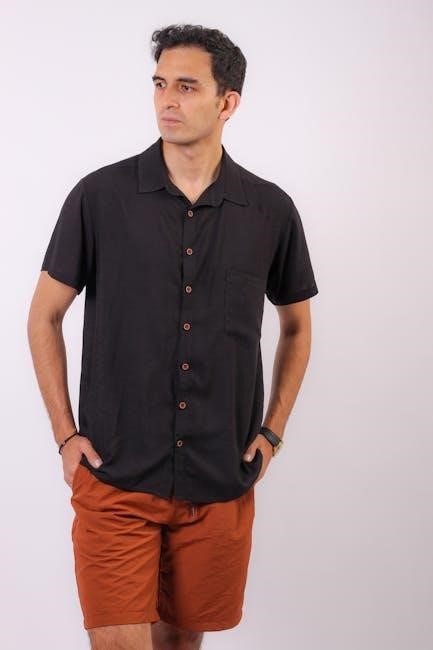
Standard Men’s Shorts Sizes
Commonly, men’s shorts range from Small to XXL, but sizes vary. Waist and inseam measurements define fit; charts provide detailed guidance for optimal selection.
Small (S) ⎼ Detailed Measurements
For a size Small in men’s shorts, expect a waist measurement typically ranging from 30 to 32 inches, or 76 to 81 centimeters. The inseam, crucial for length, generally falls around 5.5 inches, which equates to approximately 14 centimeters.
However, it’s vital to remember these are averages, and slight variations can occur depending on the brand and the specific style of the shorts. Hip measurements for a size Small usually hover around 36 inches.
When selecting a Small, consider your body type; if you’re between sizes, it’s often recommended to size up for greater comfort, especially in athletic or activewear shorts. Always consult the specific brand’s size chart for the most accurate fit information, as sizing can differ significantly.
Medium (M) ‒ Detailed Measurements
A Medium size generally accommodates a waist measurement between 32 and 34 inches, translating to 81 to 89 centimeters. The inseam for Medium shorts typically measures around 6 inches, or 15.5 centimeters, offering a balanced length for many builds.
Hip measurements for this size usually fall around 38 inches, providing comfortable room. However, remember that these are standard guidelines, and variations exist between brands and styles.
If you find yourself between sizes, consider your build and the intended use of the shorts. For a more relaxed fit, or if you prefer extra room, opting for the larger size is advisable. Always prioritize checking the specific brand’s size chart for precise measurements and a perfect fit.
Large (L) ⎼ Detailed Measurements
For a Large size, the typical waist measurement ranges from 34 to 36 inches, equivalent to 86 to 91 centimeters. The inseam generally falls around 6.5 inches, providing a slightly longer length compared to Medium shorts. Hip measurements for a Large usually approximate 40 inches, offering ample room for comfort and movement.
However, it’s crucial to remember that these are average figures, and brand-specific sizing can differ significantly. Always consult the individual brand’s size chart for the most accurate information.
If you’re between sizes, consider your body type and the desired fit. A more athletic build might prefer a snugger fit, while those seeking a relaxed style may opt for the larger size. Prioritize checking the specific measurements to ensure a perfect fit.
Extra Large (XL) ‒ Detailed Measurements
The Extra Large (XL) size typically accommodates a waist measurement between 35 and 38 inches, translating to roughly 89 to 96 centimeters. Expect an inseam length around 7 inches, offering increased coverage and a more relaxed feel. Hip measurements for XL shorts generally fall around 42 inches, providing substantial room for broader builds.
Remember, these are standard guidelines, and variations are common across different brands. Always prioritize reviewing the specific size chart provided by the manufacturer.
If you find yourself between sizes, consider the style of the shorts and your personal preference for fit. A looser fit might be desired for casual wear, while a more tailored look could be achieved with the smaller size.
XXL and Beyond ⎼ Extended Sizes
For men requiring XXL and larger sizes, finding the right fit is crucial for both comfort and style. Waist measurements typically range from 38 to 45 inches (96-114 cm) and beyond, catering to a wider range of body types. Inseam lengths often extend to 8 inches or more, offering increased coverage and a relaxed silhouette.
Extended sizes often feature a more generous cut through the seat and thigh, ensuring freedom of movement. It’s vital to consult each brand’s specific size chart, as sizing can vary significantly.
Don’t hesitate to prioritize hip measurements, as these are often overlooked but essential for a comfortable fit. Accurate measurements are key when shopping for extended sizes online.

Brand-Specific Size Charts
Each brand approaches sizing uniquely; therefore, consulting their individual size charts is essential for accurate fit predictions and avoiding returns.
Under Armour Shorts Sizing
Under Armour’s sizing emphasizes athletic builds, often running slightly smaller than standard sizing. To find your perfect fit, carefully consult their detailed size chart, which considers both waist and inseam measurements. They provide specific guidance for various short styles, including running shorts, training shorts, and golf shorts.
Generally, a waist size of 30-32 inches corresponds to a Small, 32-34 inches to a Medium, 34-36 inches to a Large, and 36-38 inches to an Extra Large. However, it’s crucial to verify these estimations with the official Under Armour chart. Consider your hip measurement as well, especially for looser-fitting styles. Under Armour also offers extended sizes, catering to a wider range of body types. Remember to account for any desired layering or movement when selecting your size.
Nike Shorts Sizing
Nike shorts sizing generally aligns with standard US sizing, but variations exist depending on the specific style – Dri-FIT, Flex, or woven shorts. Nike’s size charts are readily available on their website and provide detailed measurements for waist, inseam, and hip. It’s recommended to measure yourself accurately before referring to the chart.
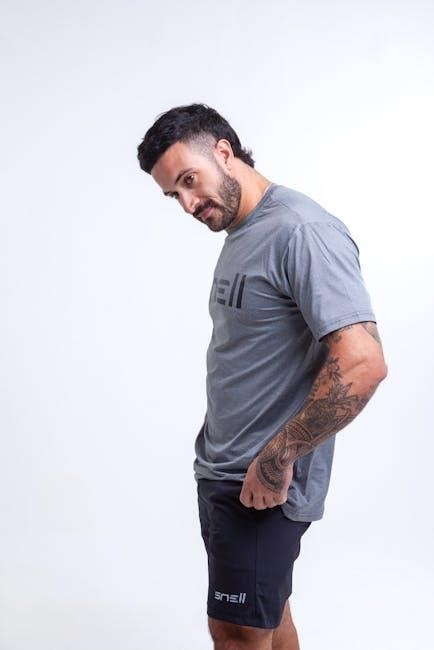
A typical Small fits a 30-32 inch waist, Medium a 32-34 inch waist, Large a 34-36 inch waist, and Extra Large a 36-38 inch waist. However, Nike’s athletic-fit shorts may run slimmer, so consider sizing up if you prefer a looser feel. Pay attention to the product description, as some shorts are designed for a specific activity and may have a tailored fit. Nike also offers extended sizes online, ensuring inclusivity for all body types.

Adidas Shorts Sizing
Adidas shorts sizing, like Nike, generally follows standard US measurements, but can differ based on the collection – whether it’s Tiro, Condivo, or a more casual lifestyle short. Adidas provides comprehensive size guides on their official website, detailing waist and inseam measurements for each size. Accurate self-measurement is crucial for finding the perfect fit.
Typically, a Small Adidas short fits a 30-32 inch waist with a 5.5-inch inseam, Medium a 32-34 inch waist with a 6-inch inseam, and Large a 34-36 inch waist with a 6.5-inch inseam. Adidas often features a regular or slim fit; slim-fit shorts may require sizing up for comfort. Always check the specific product details for fit recommendations, as some styles are designed for performance and have a more athletic cut. Adidas also offers extended sizes online.

Types of Shorts and Their Fit
Different short styles necessitate varying fits; athletic shorts prioritize movement, cargo shorts offer a relaxed feel, and chino shorts provide a tailored appearance.
Athletic/Running Shorts Fit
Athletic and running shorts are designed with performance in mind, prioritizing freedom of movement and breathability. Typically, these shorts feature a looser, more relaxed fit than other styles, allowing for a full range of motion during activities like running, training, or gym workouts.
The waistband often incorporates an elasticated drawcord for a secure and adjustable fit. Inseam lengths vary, with shorter inseams (around 5-7 inches) being common for running to maximize leg movement, while slightly longer inseams might be preferred for gym workouts offering more coverage.
Consider a size that allows comfortable bending, stretching, and squatting without restriction. Many athletic shorts utilize moisture-wicking fabrics, so a snug but not constricting fit enhances their effectiveness. Checking brand-specific size charts is crucial, as fits can differ significantly between Under Armour, Nike, and Adidas.
Cargo Shorts Fit
Cargo shorts are characterized by their relaxed and utilitarian fit, featuring multiple pockets for ample storage. They generally have a looser cut through the seat and thigh, providing comfort and practicality for everyday wear or outdoor activities. The waist is often straight or slightly relaxed, sometimes with an adjustable drawcord for a customized fit.
Inseam lengths for cargo shorts typically range from 9 to 12 inches, offering more coverage than athletic or chino shorts. When selecting a size, consider the desired level of looseness – some prefer a more streamlined fit, while others opt for a baggier style.
Ensure enough room in the thigh area for comfortable movement, especially if you plan to carry items in the cargo pockets. Brand sizing can vary, so consulting a specific size chart (like those from Under Armour, Nike, or Adidas) is recommended for the best fit.
Chino Shorts Fit
Chino shorts offer a more refined and versatile fit compared to cargo or athletic styles, bridging the gap between casual and smart-casual attire. They typically feature a tailored silhouette with a closer fit through the seat and thigh, providing a cleaner, more polished look. The waist is generally a classic fit, sitting comfortably at the natural waistline.
Inseam lengths for chino shorts commonly range from 7 to 9 inches, offering a balanced proportion. When choosing a size, consider whether you prefer a slim, modern fit or a more relaxed, traditional style.
Pay attention to the fabric composition, as some chinos have a slight stretch for added comfort and mobility. Always refer to the brand’s specific size chart to ensure accurate sizing, as variations exist between Under Armour, Nike, Adidas, and other manufacturers;

Measuring Yourself Accurately
Precise measurements are crucial for finding the perfect shorts fit; utilizing a flexible measuring tape and seeking assistance ensures accuracy and avoids sizing errors.
Tools You’ll Need
Embarking on accurate self-measurement requires minimal, readily available tools. A flexible fabric measuring tape is absolutely essential; avoid metal tapes as they lack the necessary give for body contours. A full-length mirror is incredibly helpful, allowing you to observe your posture and ensure the tape remains level during measurements.
Having a friend or family member assist can significantly improve accuracy, particularly for back measurements. While not strictly necessary, a pen and paper (or a notes app on your phone) are useful for recording your measurements immediately. Consider wearing minimal clothing, or the type of clothing you’d typically wear with shorts, to get the most realistic results. Finally, a calm and well-lit space will contribute to a more precise and comfortable measuring experience.
Getting an Accurate Waist Measurement
To obtain a precise waist measurement, stand naturally with your feet shoulder-width apart and relax your abdomen. Locate your natural waistline – typically the narrowest part of your torso, above your belly button and below your ribcage. Wrap the measuring tape around your waist, ensuring it’s snug but not constricting; it should be level all the way around.
Avoid pulling the tape too tightly, as this will result in an artificially smaller measurement. Exhale normally while taking the measurement. Record the measurement in inches or centimeters. If your measurement falls between sizes, it’s generally recommended to size up for a more comfortable fit, especially for shorts intended for active wear. Double-check your measurement for accuracy before relying on it.
Getting an Accurate Inseam Measurement
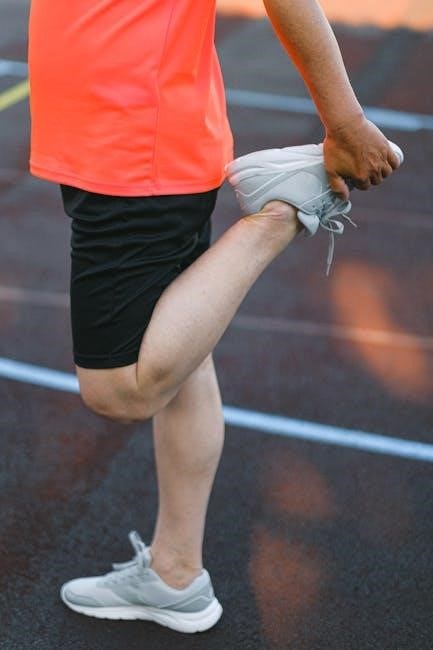
Determining your inseam requires a bit more effort, but it’s crucial for shorts length. The inseam is measured from the crotch seam along the inside of the leg to the desired hem length. The easiest way to measure is to use a pair of well-fitting shorts or pants. Lay them flat and measure along the inseam.
Alternatively, stand straight with your shoes on and have someone measure from your crotch down the inside of your leg to where you want the shorts to end. Ensure the tape measure is straight and doesn’t curve with your leg. Record this measurement. Consider your preferred style – a longer inseam offers more coverage, while a shorter one is ideal for athletic activities.
