Manual handling training is crucial for preventing workplace injuries, fulfilling legal obligations, and establishing a safe working environment for all personnel․
Course Objectives & Overview
This comprehensive ‘Train the Trainer’ program equips participants to deliver effective manual handling training within their organizations․ Upon completion, attendees will confidently assess workplace risks, develop tailored training materials in the crew’s working language, and competently demonstrate safe lifting techniques․
The course emphasizes understanding legal requirements – notably the Safety, Health and Welfare at Work Act 2005 – and fulfilling employer/employee duties․ Participants will master the T․I․L․E․ approach, plan lifts, and utilize mechanical aids․
Practical exercises and robust documentation skills are key components, ensuring sustainable improvements in workplace safety and minimizing injury risks․
The Importance of Manual Handling Training
Manual handling, involving lifting, lowering, pushing, or pulling, carries significant injury risk․ Effective training is paramount to mitigate these hazards and protect employees’ well-being․ Health interventions, like targeted training, are essential for minimizing workplace risks and fostering a safety-conscious culture․
Beyond legal compliance – mandated by acts like the Safety, Health and Welfare at Work Act 2005 – training reduces absenteeism, boosts productivity, and lowers associated costs․
Proper instruction ensures employees understand safe practices, utilize mechanical aids when available, and report potential hazards proactively, creating a safer, more efficient work environment․

Legal Requirements & Responsibilities
Employers have a legal duty, under the Safety, Health and Welfare at Work Act 2005, to provide adequate manual handling training and instruction․
Health and Safety at Work Act 2005 (Ireland)
The Health and Safety at Work Act 2005 in Ireland forms the cornerstone of workplace safety legislation․ This Act places a clear obligation on employers to ensure the safety, health, and welfare of their employees․ Specifically, regarding manual handling, the Act mandates comprehensive risk assessments to identify potential hazards․
Employers must provide suitable training to employees on safe manual handling techniques, emphasizing proper lifting procedures and the use of mechanical aids when available․ Furthermore, the Act requires employers to review and revise risk assessments regularly, adapting to changes in work practices or equipment․ Compliance with this Act is not merely a legal requirement, but a fundamental aspect of responsible employer conduct, fostering a culture of safety and preventing workplace injuries․
Employer & Employee Duties
Employers bear the primary responsibility for manual handling safety, encompassing risk assessment, implementation of control measures, and provision of adequate training․ This includes ensuring employees are competent in safe lifting techniques and aware of available mechanical aids․ They must also maintain equipment and investigate incidents thoroughly․
Employees, conversely, have a duty to follow the training provided, utilize equipment correctly, and report any hazards or concerns․ They must cooperate with the employer to ensure a safe working environment and refrain from undertaking tasks for which they haven’t received proper instruction․ Active participation from both parties is vital for effective manual handling safety․
Understanding Manual Handling Risks
Manual handling presents risks of injuries like back pain, strains, and sprains, stemming from improper techniques or hazardous conditions within the workplace․
Common Injuries Associated with Manual Handling
Manual handling frequently leads to musculoskeletal disorders (MSDs), impacting muscles, tendons, and ligaments․ Back injuries are particularly prevalent, ranging from strains and sprains to more severe herniated discs․ Other common injuries include pain in the neck, shoulders, arms, and wrists․
These injuries often develop gradually due to repetitive motions or sustained awkward postures․ Acute injuries can occur from sudden, forceful exertions, like lifting a heavy object incorrectly․ Proper manual handling training aims to mitigate these risks by educating individuals on safe techniques and hazard awareness, ultimately reducing the incidence of MSDs and promoting a healthier workforce․
Causes of Manual Handling Injuries
Manual handling injuries stem from a combination of factors, often involving exceeding the body’s physical capabilities․ These include lifting excessively heavy loads, adopting awkward postures during lifting or carrying, and repetitive movements that strain muscles and joints․
Insufficient training on proper techniques is a significant contributor, as is a lack of awareness regarding potential hazards․ Environmental factors, such as slippery floors or poor lighting, can also increase risk․ Ignoring available mechanical aids, or improper use of such equipment, further exacerbates the problem․ Effective manual handling training addresses these causes directly․
Risk Factors: Load, Individual, Task, Environment
Assessing manual handling risks requires evaluating four key factors: the Load itself (weight, size, shape), the Individual (fitness, strength, health), the Task (lifting, carrying, twisting), and the Environment (space, flooring, lighting)․
Heavy or awkward loads significantly increase risk․ Individual capabilities vary, impacting safe lifting capacity․ Tasks involving repetitive motions or extreme postures are problematic․ Poor environmental conditions, like cluttered spaces or slippery surfaces, contribute to incidents․ A comprehensive training program emphasizes identifying and mitigating these risk factors for safer practices․

Principles of Safe Manual Handling
Safe manual handling prioritizes planning lifts, maintaining a straight back, bending knees, and keeping loads close to the body to minimize strain and injury․
The T․I․L․E․ Approach (Tasks, Individual, Loads, Environment)
The T․I․L․E․ approach is a systematic framework for assessing manual handling risks․ ‘Tasks’ involve evaluating the job requirements – twisting, reaching, and carrying distances․ ‘Individual’ considers physical capabilities, training, and health․ ‘Loads’ encompass weight, size, and grip, while ‘Environment’ assesses floor surfaces, lighting, and space constraints․
Trainers must emphasize that each element interacts; a heavy load is less risky with proper technique and a clear environment․ Utilizing T․I․L․E․ helps identify hazards and implement controls, reducing the likelihood of musculoskeletal disorders․ This proactive approach is fundamental to effective manual handling training․
Planning and Assessing the Lift
Effective manual handling begins with careful planning․ Trainers should instruct participants to thoroughly assess each lift before attempting it․ This includes considering the load’s weight and shape, the distance it needs to be moved, and the route’s obstacles․
Can mechanical aids be used? Is the destination clear? Is the footing stable? Emphasize the importance of identifying potential hazards and planning a safe lifting strategy․ A rushed or unplanned lift significantly increases injury risk; Proper assessment is a cornerstone of safe practices․
Proper Lifting Techniques: Back Straight, Bend Knees
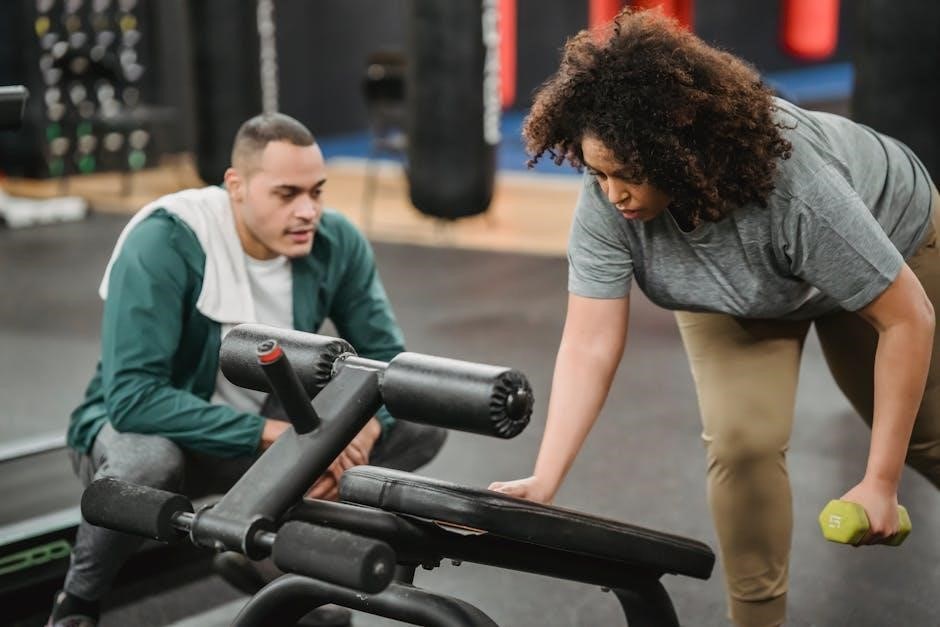
Trainers must emphasize maintaining a straight back throughout the lift, avoiding twisting․ Participants should be instructed to bend their knees and keep the load close to their body․ This utilizes leg muscles, reducing strain on the back․
A firm grip is essential, and lifting should be a smooth, controlled movement․ Avoid jerky motions․ Encourage participants to practice these techniques with lighter loads initially․ Demonstrate and correct improper form․ Reinforce that proper technique minimizes risk and promotes long-term musculoskeletal health․
Developing a Manual Handling Training Program
A robust program requires identifying the target audience, creating relevant materials, and incorporating practical exercises for effective skill development and knowledge retention․
Target Audience Identification
Identifying the correct target audience is paramount for effective manual handling training․ Consider roles involving frequent lifting, carrying, pushing, or pulling – warehouse staff, delivery drivers, healthcare workers, and construction personnel are key groups․
Assess existing knowledge levels; are they novices or do they require refresher training? Tailor content to specific job demands․ For example, healthcare professionals need specialized training on moving patients․
Furthermore, acknowledge diverse learning styles and physical capabilities within the audience․ A thorough needs analysis ensures the training is relevant, engaging, and maximizes injury prevention․
Training Materials & Resources
Comprehensive training materials are essential for a successful manual handling program․ Develop a detailed trainer’s guide outlining key concepts, practical exercises, and assessment criteria․ Include visually engaging presentations with clear diagrams illustrating proper lifting techniques․
Supplement with handouts summarizing core principles like the T․I․L․E․ approach․ Utilize videos demonstrating safe and unsafe practices․ Ensure materials are available in the working language of the crew, as specified for clarity․
Don’t forget user manuals for any mechanical aids and readily accessible incident reporting forms․
Practical Exercises & Demonstrations
Hands-on practice is vital for reinforcing learning in manual handling training․ Incorporate exercises simulating common workplace lifting scenarios – from the floor, above shoulder height, and team lifts․ Emphasize proper technique: back straight, bending knees, and maintaining a firm grip․
Demonstrate the correct use of mechanical handling equipment, ensuring participants understand safe operation and inspection procedures․ Include scenarios requiring risk assessment and planning before attempting a lift․
Provide constructive feedback during demonstrations, correcting unsafe practices immediately․
Delivering Effective Training
Effective manual handling training utilizes adult learning principles, encourages engagement, and provides clear communication to address questions and concerns effectively․
Adult Learning Principles
Understanding how adults learn is fundamental to successful manual handling training․ Unlike children, adults bring existing knowledge and experience, requiring training to build upon this foundation․ Effective training acknowledges this, fostering a collaborative environment where participants can share insights and relate concepts to their specific roles․
Adults are motivated by relevance; therefore, demonstrate how safe manual handling directly benefits them and their colleagues․ Practical application through exercises and demonstrations is key, as adults learn best by doing․ Provide opportunities for active participation, encouraging questions and feedback to reinforce understanding and address individual needs․ Respect their autonomy and create a non-judgmental space for learning․
Communication & Engagement Techniques
Effective communication is paramount during manual handling training․ Utilize clear, concise language, avoiding jargon, and supplementing verbal instruction with visual aids like diagrams and videos․ Encourage two-way communication by posing open-ended questions and actively listening to participant responses, addressing concerns promptly and respectfully․
To boost engagement, incorporate interactive elements such as group discussions, role-playing scenarios, and practical demonstrations․ Facilitate a safe space for participants to share experiences and learn from each other․ Maintain a positive and enthusiastic demeanor, fostering a collaborative learning environment․ Regularly check for understanding and adapt your approach based on audience feedback․
Handling Questions & Concerns
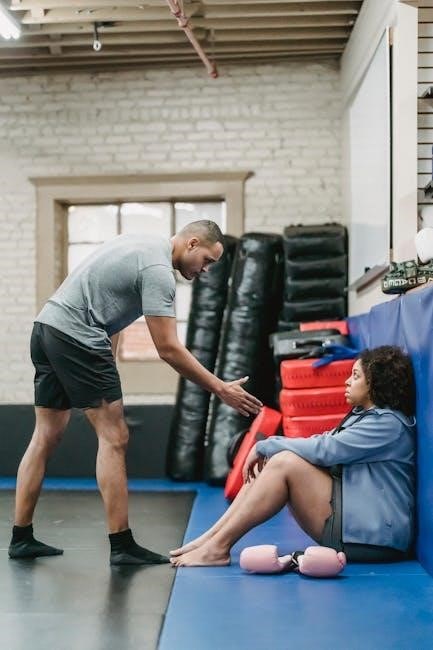
Anticipate questions regarding practical application and potential challenges in their specific work environments․ Encourage participants to voice concerns without fear of judgment, creating a psychologically safe learning space․ Respond to inquiries thoroughly and accurately, referencing relevant legislation and best practices․
If unsure of an answer, acknowledge it and commit to finding the correct information promptly․ Address anxieties about implementing new techniques by emphasizing the benefits of reduced injury risk and improved efficiency․ Reiterate the importance of reporting any difficulties encountered post-training, fostering continuous improvement and a proactive safety culture․
Specific Lifting Techniques
Proper techniques, like lifting from the floor, above shoulder height, and team lifting, are essential for minimizing strain and preventing musculoskeletal injuries․
Lifting from the Floor
Lifting from the floor presents a significant risk due to the increased strain on the back․ Trainers must emphasize a thorough assessment of the load before attempting a lift․ Participants should be instructed to position their feet shoulder-width apart, maintaining a firm stance for stability․
Crucially, the back must remain straight throughout the entire movement, and the lifting action should originate from the legs – bending at the knees and hips, not the waist․ Keep the load close to the body to minimize leverage and maintain balance; Avoid twisting during the lift; instead, pivot the feet․
Demonstrate and practice proper technique repeatedly, providing constructive feedback to ensure understanding and safe execution․ Remind trainees to seek mechanical assistance when available and appropriate․
Lifting Above Shoulder Height
Lifting above shoulder height is inherently risky and should be avoided whenever possible․ Trainers must stress the importance of utilizing mechanical aids like hoists or step ladders to eliminate this hazardous maneuver․ If unavoidable, a careful risk assessment is paramount․
Participants should understand the need for a stable base and clear overhead space․ Maintaining a straight back and bending at the knees remains crucial, but requires increased core engagement․ The load must be held close to the body throughout the lift, minimizing strain․
Emphasize the potential for loss of balance and the importance of slow, controlled movements․ Demonstrate proper footwork and encourage trainees to practice with lighter loads initially, receiving individualized feedback․
Team Lifting
Team lifting requires meticulous coordination and clear communication to prevent injuries․ Trainers must emphasize the role of a designated team leader responsible for planning the lift and directing team members․ Before commencing, the team should assess the load’s weight, shape, and potential hazards․
Synchronized lifting is vital; all team members must lift and lower the load simultaneously, maintaining a consistent pace․ Clear verbal commands – “Lift,” “Lower,” “Stop” – are essential․
Trainers should demonstrate proper grip techniques and emphasize maintaining a straight back throughout the lift․ Regular communication during the lift ensures everyone remains aware of any difficulties or potential issues, promoting a safe and efficient operation․

Mechanical Aids & Equipment
Training should cover various mechanical handling equipment, emphasizing safe usage, pre-operational inspections, and recognizing equipment limitations to minimize manual effort․
Types of Mechanical Handling Equipment
Trainers must familiarize participants with a diverse range of mechanical aids designed to reduce manual handling risks․ This includes forklifts, pallet trucks, hoists (electric and manual), cranes, and lifting tables․ Demonstrations should highlight how each device functions and its appropriate applications․
Emphasis should be placed on understanding load capacities, stability considerations, and the importance of regular maintenance․ Training must also cover specialized equipment used for moving people, such as patient hoists, detailing safe sling application and operational procedures․ Participants should learn to identify equipment suitable for specific tasks and environments, promoting informed decision-making and injury prevention․
Safe Use & Inspection of Equipment
Trainers should stress the necessity of pre-operational checks for all mechanical handling equipment․ This includes inspecting for damage, verifying functionality of safety features (brakes, alarms, etc․), and ensuring proper load securing mechanisms are in place․ Participants must understand reporting procedures for faulty equipment, removing it from service immediately․
Training must cover safe operating procedures, including load limits, maneuvering in confined spaces, and pedestrian safety․ Regular inspection schedules, documented maintenance logs, and adherence to manufacturer’s instructions are vital․ Emphasize that only authorized and trained personnel should operate such equipment, minimizing risk and ensuring compliance․

Manual Handling of People
Training must address specific considerations for moving individuals, emphasizing the use of hoists and assistive devices to ensure both patient and handler safety․
Specific Considerations for Moving Individuals
When training on moving people, emphasize a person-centered approach, prioritizing dignity and comfort․ Assess each individual’s capabilities and limitations before any movement attempt․ Train participants to communicate clearly with the person being moved, explaining each step․
Proper body mechanics are even more critical when assisting individuals, requiring greater awareness of potential strain․ Training should cover safe techniques for transfers, including bed-to-chair or wheelchair movements․ Highlight the importance of using appropriate equipment like slings and hoists, ensuring proper fit and secure attachment․ Always demonstrate and practice team lifting techniques for heavier or less cooperative individuals, minimizing risk for both parties involved․
Use of Hoists and Other Assistive Devices
Training must thoroughly cover hoist operation, including pre-use inspection procedures to identify any defects․ Participants should learn about different sling types and their appropriate applications, ensuring correct sizing and secure attachment to the hoist․ Emphasize the importance of a risk assessment before each hoist use, considering the individual’s weight, mobility, and the surrounding environment․
Train personnel on emergency procedures, such as lowering a hoist in a power outage․ Other assistive devices, like slide sheets and transfer boards, should also be included in the training, demonstrating their proper use to reduce friction and strain during transfers․ Regular refresher training is vital to maintain competency․
Post-Training Evaluation & Follow-Up
Assessment methods, like practical demonstrations and written tests, verify understanding․ Refresher training and continuous improvement are key to sustaining safe manual handling practices․
Assessment Methods
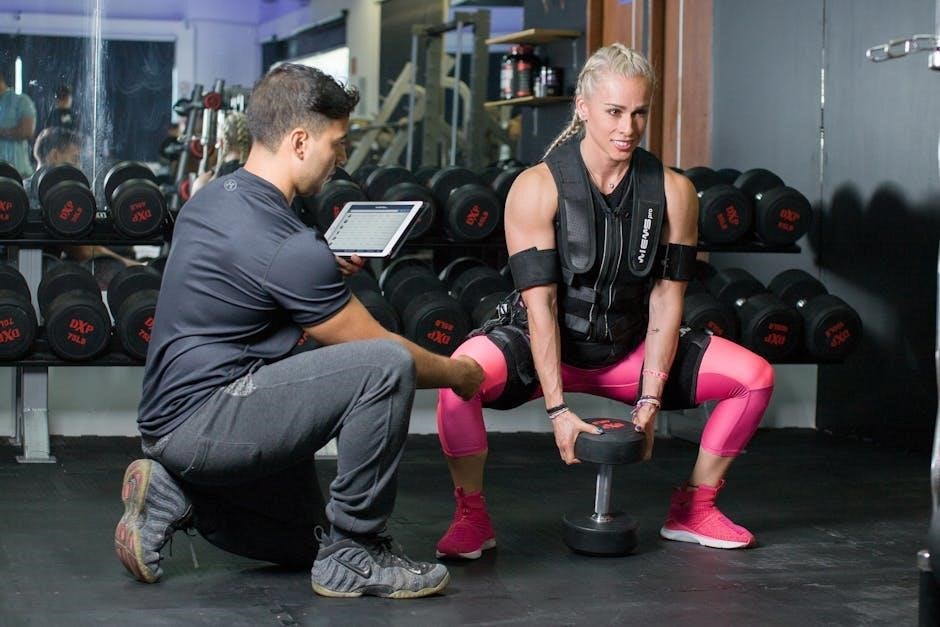
Effective manual handling training necessitates robust assessment methods to gauge participant comprehension and skill application․ These should move beyond simple knowledge recall, incorporating practical elements․ Observation of lifting techniques during simulated tasks is vital, allowing trainers to identify and correct improper form in real-time․
Written assessments, including multiple-choice questions and short-answer scenarios, can evaluate understanding of principles and legal requirements․ Consider incorporating case studies requiring application of learned concepts․ Post-training questionnaires gather feedback on the program’s effectiveness, informing future improvements․ A combination of these methods provides a comprehensive evaluation of training success and identifies areas needing reinforcement․
Refresher Training & Continuous Improvement
Manual handling best practices evolve, necessitating regular refresher training to maintain competency and address new risks․ Periodic updates reinforce core principles and introduce revised techniques or equipment․ Continuous improvement requires ongoing evaluation of the training program’s effectiveness, utilizing incident reports and employee feedback․
Analyze injury data to identify recurring issues and tailor training accordingly․ Encourage a culture of open communication where employees feel comfortable reporting near misses and suggesting improvements․ Regularly review and update training materials to reflect current legislation and industry standards, ensuring sustained safety performance and a proactive approach to risk management․

Documentation & Record Keeping
Maintaining detailed training records and certificates is essential, alongside thorough incident reporting and investigation procedures, for legal compliance․
Training Records & Certificates
Comprehensive training records are vital, detailing attendee names, dates of training, course content covered, and assessment results․ These records demonstrate legal compliance and provide evidence of commitment to employee safety․ Certificates should clearly state the training completed, the validity period, and the trainer’s credentials․
Digital and physical copies should be securely maintained for auditing purposes․ Accurate record-keeping facilitates refresher training scheduling and identifies gaps in knowledge․ Proper documentation supports investigations following incidents, proving due diligence in providing adequate manual handling training․ Regularly review and update records to reflect changes in legislation or best practices․
Incident Reporting & Investigation
Robust incident reporting is essential following any manual handling-related injury or near miss․ A clear, accessible reporting system encourages employees to promptly report concerns․ Investigations should be thorough, identifying root causes – were training deficiencies a factor? Were safe procedures followed?
Detailed reports, including witness statements and risk assessments, are crucial․ Findings should inform corrective actions, such as revised training programs or improved equipment․ Documentation demonstrates a proactive safety culture and commitment to preventing recurrence․ Proper investigation supports legal compliance and continuous improvement of manual handling training․
