Finding peace amidst a frantic world demands intentional practice; a journey towards ease and balance, adapting mindfulness for modern, busy lives, as explored in various resources.
The Increasing Pace of Life
Modern life relentlessly accelerates, demanding constant productivity and multi-tasking, leaving little room for stillness. This frenetic energy fuels anxiety and disconnects us from the present moment. A practical guide to peace acknowledges this reality, offering techniques to navigate the rush. It’s about finding pockets of calm within the chaos, recognizing the need to slow down, and intentionally creating space for mindful awareness amidst the demands of daily existence.
The Impact of Constant Connectivity
Ubiquitous technology and constant connectivity contribute significantly to our frantic state, blurring boundaries between work and rest. The endless stream of information and notifications overwhelms our senses, hindering our ability to focus and be present. A practical guide to peace addresses this, advocating for intentional digital detoxes and mindful engagement with technology, reclaiming control over our attention and fostering a sense of inner calm.

Understanding Mindfulness
Mindfulness cultivates present moment awareness, tuning into sensations and experiences without judgment—a core practice for navigating a hectic world and fostering inner peace.
What is Mindfulness?
Mindfulness is the basic human capacity to be fully present, aware of where we are and what we’re doing, and not overly reactive or overwhelmed by what’s happening. It’s about paying attention on purpose, in the present moment, and non-judgmentally. This practice invites us to tune into the current experience—thoughts, feelings, bodily sensations—without getting carried away by them. It’s a way of relating to life with greater clarity, calm, and acceptance, offering a powerful antidote to the stresses of a frantic world.
The Science Behind Mindfulness and Peace
Research demonstrates mindfulness cultivates peace by impacting brain structures linked to attention, emotion regulation, and self-awareness. Studies show increased gray matter in areas associated with learning and memory, alongside decreased activity in the amygdala—the brain’s fear center. This neuroplasticity fosters resilience to stress, reduces anxiety, and promotes emotional stability, enabling a calmer, more centered response to life’s challenges, ultimately supporting inner peace.

Practical Techniques for Instant Calm
Quick mindfulness exercises—like the 30-second breath reset, sensory anchoring, and mindful sipping—offer immediate relief from stress, fostering calm in daily moments.
The 30-Second Breath Reset
This simple technique provides an instant anchor to the present moment. Close your eyes, and for thirty seconds, focus solely on your breath—the sensation of each inhale and exhale. Notice the rise and fall of your chest or abdomen. If your mind wanders, gently redirect your attention back to your breath, without judgment. This brief pause cultivates awareness and interrupts the cycle of anxious thoughts, offering a quick reset during stressful times, building mindful awareness daily.
Sensory Anchoring During Commutes
Transform your commute into a mindful experience by actively engaging your senses. Instead of getting lost in thought, intentionally notice five things you can see, four you can touch, three you can hear, two you can smell, and one you can taste. This grounding exercise anchors you in the present, reducing stress and fostering a sense of calm amidst the chaos of travel, promoting present moment awareness.
Mindful Sipping: Coffee/Tea as Meditation
Elevate your daily coffee or tea ritual into a moment of mindful meditation. Pay close attention to the warmth of the mug, the aroma rising, and the subtle flavors unfolding with each sip. Fully experience the sensations, letting go of distractions. This simple practice transforms a routine act into a peaceful pause, cultivating presence and tranquility.
Building a Daily Mindfulness Practice
Establishing a consistent routine, whether through short, frequent practices or longer sessions, is key to integrating mindfulness and fostering lasting inner peace.
Establishing a Consistent Routine
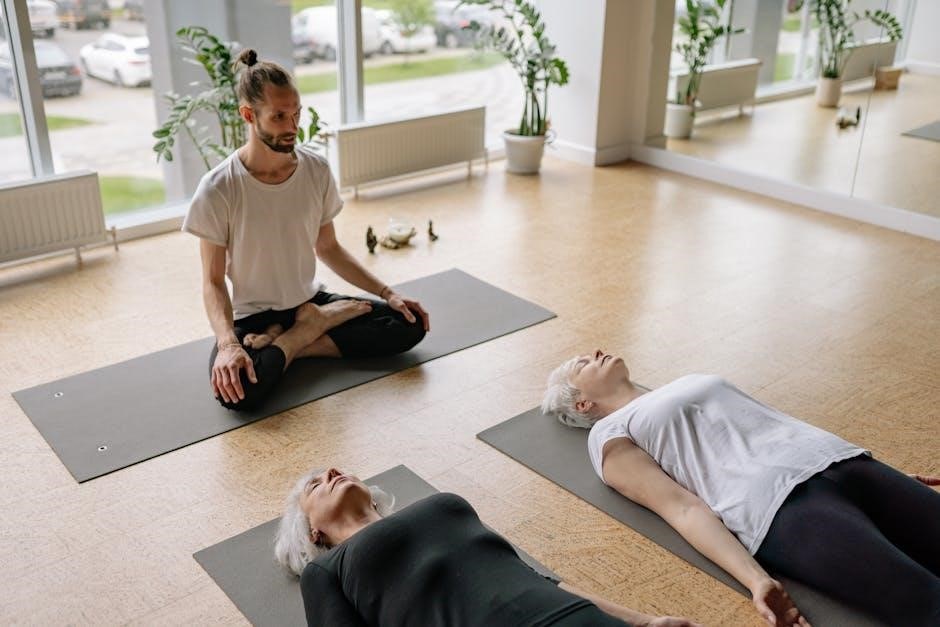
Creating a dedicated time, even brief, anchors mindfulness into daily life. Begin with manageable intervals – three to five minutes – and gradually expand as comfort grows. Consistency trumps duration; a short, daily practice builds awareness more effectively than infrequent, lengthy sessions. Designate a quiet space, free from distractions, to support focused attention. Consider linking mindfulness to existing habits, like enjoying your morning coffee, to reinforce the routine and make it sustainable.
Short, Frequent Practices vs. Long Sessions
For busy individuals, short, frequent mindfulness practices often prove more effective than infrequent, extended sessions. Several brief moments of focused attention throughout the day—a 30-second breath reset, mindful sipping—can accumulate significant benefits. This approach integrates seamlessly into a hectic schedule, fostering continuous awareness. While longer sessions have merit, accessibility and consistency are key for lasting peace.
Mindfulness in Everyday Activities
Transform routine tasks—walking, eating—into opportunities for mindful presence, tuning into sensations and experiences as they unfold, fostering peace within daily life.
Mindful Walking
Engage fully with the physical sensations of walking: the feeling of your feet on the ground, the movement of your legs, and the air against your skin. Notice each step, without judgment, simply observing the experience. Let your gaze soften, taking in your surroundings without getting lost in thought.
This practice anchors you in the present moment, transforming a simple commute or stroll into a meditative experience, cultivating inner peace amidst the external world’s demands.
Mindful Eating
Transform mealtimes into opportunities for presence. Before eating, take a moment to appreciate the food – its colors, aromas, and textures. Chew slowly, savoring each bite and noticing the flavors as they unfold.
Pay attention to your body’s hunger and fullness cues, eating without distraction. This practice cultivates a deeper connection with nourishment and fosters a sense of gratitude, promoting peaceful digestion.

Dealing with Stress and Anxiety
Mindfulness offers tools to navigate stress; recognizing triggers and utilizing present-moment awareness to manage anxiety, fostering resilience and inner calm during challenging times.
Recognizing Stress Triggers
Identifying personal stress triggers is a crucial first step towards cultivating inner peace. These triggers can be external – demanding work schedules, relationship conflicts, or financial pressures – or internal, stemming from self-criticism and negative thought patterns.
Pay attention to physical sensations like muscle tension, rapid heartbeat, or digestive issues, as these often signal underlying stress. Journaling can be incredibly helpful in pinpointing recurring themes and patterns that contribute to feelings of overwhelm, allowing for proactive coping strategies.
Using Mindfulness to Manage Anxiety
Mindfulness offers a powerful antidote to anxiety by shifting focus from future worries or past regrets to the present moment. Techniques like mindful breathing – observing the sensation of each inhale and exhale – can calm the nervous system and reduce racing thoughts.
Accepting anxious feelings without judgment, recognizing them as temporary sensations, is key. This non-reactive approach, cultivated through consistent practice, builds resilience and fosters a sense of inner stability.
The Role of Self-Compassion
Self-compassion combats self-criticism, fostering kindness towards oneself, acknowledging shared human imperfection, and offering understanding during challenging times—a vital component of peace.
Overcoming Self-Criticism
Self-criticism often fuels anxiety and hinders peace; recognizing its presence is the first step. Challenge negative self-talk with compassionate inquiry – would you speak to a friend this way? Practice self-kindness by acknowledging your struggles as part of the shared human experience. Extend the same understanding and forgiveness to yourself that you readily offer others, fostering inner resilience and acceptance. This gentle shift cultivates a more peaceful inner landscape.
Cultivating Kindness Towards Yourself
Self-compassion isn’t self-indulgence; it’s recognizing your inherent worthiness, especially during difficult times. Treat yourself with the same gentle care you’d offer a loved one facing hardship. Practice mindful self-soothing – a warm bath, a comforting tea, or simply acknowledging your pain. Embrace imperfection as a natural part of life, fostering a more accepting and peaceful relationship with yourself.

Mindfulness-Based Cognitive Therapy (MBCT)
MBCT, an adaptation of cognitive therapy, integrates mindfulness to address negative thought patterns and cultivate present-moment awareness for lasting peace.
Mindfulness-Based Cognitive Therapy (MBCT) uniquely blends cognitive behavioral techniques with mindfulness practices. It doesn’t aim to eliminate difficult thoughts, but rather to change your relationship with them. MBCT teaches you to observe thoughts and feelings without judgment, recognizing them as transient mental events. This approach is particularly helpful for preventing relapse in individuals prone to depression, fostering resilience and emotional regulation. By cultivating present moment awareness, MBCT empowers individuals to navigate life’s challenges with greater ease and acceptance.
How MBCT Can Help Find Peace
MBCT offers a structured path to inner peace by equipping you with tools to interrupt habitual patterns of negative thinking. It helps break the cycle of rumination and worry, fostering a sense of calm amidst life’s inevitable stressors. Through guided practices, you learn to disengage from unhelpful thoughts and reconnect with the present moment, cultivating a more balanced and accepting perspective. Ultimately, MBCT empowers you to live with greater awareness, resilience, and a profound sense of well-being.

Resources for Further Exploration
Explore recommended books and online courses—like those adapting Mindfulness-Based Cognitive Therapy—to deepen your practice and continue your journey towards lasting peace.
Recommended Books on Mindfulness
For a gentle introduction to navigating life’s complexities, consider “Finding Peace in a Frantic World” by Mark Williams and Danny Penman. This book, praised by Sir Kenneth Branagh, offers a practical path to wellbeing. It beautifully explores the human experience and demonstrates how peace is attainable. Further exploration into mindfulness principles can be found in works by Jon Kabat-Zinn, offering foundational understanding and techniques for cultivating present moment awareness and reducing stress.
Online Mindfulness Courses and Apps
Explore “Finding Peace in a Frantic World,” an 8-week introductory course, an adaptation of Mindfulness-Based Cognitive Therapy (MBCT), designed for accessibility. Numerous apps, like Headspace and Calm, provide guided meditations and mindfulness exercises. These digital tools offer convenient ways to integrate practice into daily life, building awareness and resilience. Online platforms also host courses teaching core mindfulness skills for improved wellbeing and stress management.
Overcoming Common Obstacles
A wandering mind is natural; gently redirect focus. Prioritize small, consistent practices, even amidst busy schedules, to integrate mindfulness into daily routines effectively.
Dealing with a Wandering Mind
It’s completely normal for the mind to wander during mindfulness practice – it’s what minds do! Don’t judge yourself for it; self-criticism hinders peace. Instead, acknowledge the thought without engagement, then gently redirect your attention back to your chosen anchor – your breath, sensations, or sounds.
Think of it as a muscle you’re strengthening; each redirection builds focus. Be patient and kind to yourself throughout this process, recognizing that consistency, not perfection, is key.
Finding Time for Mindfulness
A common obstacle is believing there’s “no time” for mindfulness. However, it doesn’t require lengthy sessions! Integrate short, frequent practices – a 30-second breath reset, mindful sipping of tea, or sensory anchoring during commutes – into your existing routine. These small moments accumulate, fostering a consistent practice.
Prioritize self-care; even five minutes can significantly impact well-being. Schedule it like any other important appointment.

The Long-Term Benefits of Peace
Consistent mindfulness cultivates improved mental and physical health, fostering enhanced relationships and overall well-being, leading to a more resilient and fulfilling life experience.
Improved Mental and Physical Health
Embracing mindfulness offers profound benefits for both mind and body. Regular practice demonstrably reduces stress and anxiety, fostering emotional regulation and a greater sense of calm. This, in turn, positively impacts physical health by lowering blood pressure, improving sleep quality, and bolstering the immune system.
Mindfulness isn’t merely about feeling good; it’s about cultivating a resilient inner state capable of navigating life’s inevitable challenges with greater ease and equanimity.
Enhanced Relationships and Well-being
Mindfulness extends its positive influence beyond the individual, enriching interpersonal connections. By cultivating present moment awareness and self-compassion, we become more empathetic and understanding partners, friends, and family members. This fosters deeper, more authentic relationships built on genuine connection and mutual respect.
Ultimately, mindfulness contributes to a more fulfilling and meaningful life, enhancing overall well-being.

Integrating Mindfulness into Your Lifestyle
Seamlessly weave mindfulness into daily routines – create a peaceful home, practice mindful communication, and embrace presence in all aspects of life.
Creating a Peaceful Home Environment
Transform your home into a sanctuary by intentionally decluttering spaces, fostering a sense of calm and order. Introduce natural elements like plants and soft lighting to promote relaxation. Designate quiet zones for meditation or mindful moments, free from distractions. Cultivate a peaceful atmosphere through mindful choices in décor and organization, supporting overall well-being and a haven from the external world’s frenzy. Prioritize comfort and simplicity.
Mindful Communication
Practice active listening, fully engaging with the speaker without interruption or judgment, fostering deeper connections. Speak with intention and kindness, choosing words carefully to avoid causing harm; Be present during conversations, noticing both verbal and non-verbal cues. Cultivate empathy and understanding, recognizing diverse perspectives. Mindful communication reduces conflict and builds stronger, more peaceful relationships, essential for navigating a frantic world.
Finding Peace in Difficult Times
Embrace resilience and acceptance through mindfulness during grief or loss, acknowledging pain while cultivating inner peace—a vital skill in a challenging world.
Mindfulness During Grief and Loss
Navigating grief requires gentle self-compassion; mindfulness offers a space to acknowledge pain without judgment. Allow emotions to arise and pass, observing sensations without getting carried away. Practices like mindful breathing can anchor you in the present moment, offering respite from overwhelming sadness. Recognize that grief isn’t linear—it ebbs and flows. Acceptance, fostered through mindfulness, doesn’t mean forgetting, but rather learning to live with loss, honoring memories while embracing continued growth and healing in a frantic world.
Resilience and Acceptance
Cultivating resilience isn’t about avoiding hardship, but about navigating it with grace and self-compassion. Mindfulness fosters acceptance of what is, rather than resisting reality. This doesn’t imply approval, but a recognition of the present moment without judgment. Through mindful awareness, we build the capacity to bounce back from adversity, finding strength within, and embracing life’s impermanence amidst a frantic world.
Finding peace in a frantic world isn’t a final achievement, but a continuous practice—a gentle unfolding. Mindfulness isn’t about eliminating challenges, but changing our relationship to them. Embrace the messy, beautiful process of being human, recognizing that setbacks are part of growth. Consistent practice builds resilience, fostering a more balanced and fulfilling life, one mindful moment at a time.
