Integrative Manual Therapy & Wellness: A Comprehensive Overview
Integrative Manual Therapy (IMT) represents a holistic approach, uniquely blending diagnostic and treatment methods to address pain, dysfunction, and disease comprehensively.
What is Integrative Manual Therapy (IMT)?
Integrative Manual Therapy (IMT) is a distinct and comprehensive system of healthcare, moving beyond traditional approaches to address the interconnectedness of the human body. It’s not simply a collection of techniques, but rather a unique compilation of diagnostic and treatment methodologies. IMT focuses on identifying and resolving underlying causes of pain, dysfunction, and disease, rather than solely treating symptoms.
At its core, IMT recognizes the body as a unified system where all parts influence one another. This means a problem in one area, like chronic pain, can often be traced back to restrictions or imbalances elsewhere – potentially within the fascia, visceral systems, or even the craniosacral mechanism. Practitioners utilize a highly skilled and sensitive palpatory assessment to evaluate the body’s biomechanical function.
IMT incorporates a variety of manual techniques, including myofascial release, visceral manipulation, and craniosacral therapy, alongside joint mobilization. However, the integration of these techniques, guided by a thorough understanding of anatomy and physiology, is what truly defines IMT. It’s a patient-centered approach, tailored to the individual’s specific needs and presentation.
The Core Principles of IMT
Integrative Manual Therapy (IMT) operates on several foundational principles that distinguish it from other manual therapies. Primarily, it emphasizes the body’s inherent self-correcting capabilities. IMT practitioners don’t “fix” the body; instead, they facilitate the body’s natural healing processes by removing obstacles to its optimal function.
A central tenet is the importance of the fascial system – the continuous web of connective tissue that permeates the entire body. Restrictions within the fascia can create tension, pain, and limited movement. IMT addresses these restrictions through gentle, sustained techniques.
Another key principle is the interconnectedness of all body systems. Visceral health, the nervous system, and the musculoskeletal system are all considered integral to overall well-being. IMT acknowledges that dysfunction in one area can impact others, necessitating a holistic assessment and treatment approach.
Finally, IMT prioritizes individualized care. Each patient is unique, and treatment plans are tailored to their specific needs, considering their history, lifestyle, and presentation. The practitioner’s skilled palpation guides the treatment, responding to the body’s subtle cues.
Historical Development of Manual Therapy
The roots of manual therapy stretch back centuries, with early forms documented in ancient civilizations. Hippocrates, the “father of medicine,” advocated for hands-on techniques to address musculoskeletal imbalances. Traditional Chinese Medicine, with its emphasis on meridian pathways and acupressure, also represents a long-standing tradition of manual intervention.
In the 19th century, osteopathy emerged, founded on the principle that structural integrity is vital to overall health. Andrew Taylor Still pioneered osteopathic manipulative treatment (OMT), focusing on the musculoskeletal system’s role in bodily function. Simultaneously, chiropractic developed, emphasizing the spine’s relationship to the nervous system.
The latter half of the 20th century saw the rise of various soft tissue techniques, including myofascial release, pioneered by Ida Rolf. These approaches recognized the importance of fascia in movement and pain.
Integrative Manual Therapy (IMT), as a more recent development, builds upon these historical foundations, synthesizing elements from osteopathy, chiropractic, myofascial release, and craniosacral therapy into a comprehensive and individualized approach.
IMT vs. Traditional Manual Therapy Approaches
While sharing common roots with traditional manual therapies like osteopathic manipulation and chiropractic, Integrative Manual Therapy (IMT) distinguishes itself through its comprehensive and highly individualized approach. Traditional methods often focus on specific joint dysfunctions or muscle imbalances, employing standardized techniques.
IMT, however, prioritizes a whole-person assessment, considering the interconnectedness of the body’s systems – musculoskeletal, visceral, and nervous; It moves beyond symptom-based treatment, seeking to identify and address the underlying causes of dysfunction. This involves a detailed evaluation of fascial restrictions and their impact on overall biomechanics.
Unlike some approaches that emphasize forceful manipulation, IMT often utilizes gentle, sustained techniques, such as myofascial release and craniosacral therapy, to facilitate the body’s self-corrective mechanisms.
IMT’s integration of visceral manipulation—addressing internal organ relationships—is another key differentiator, recognizing the profound influence of the internal environment on musculoskeletal health. Ultimately, IMT aims for a more holistic and sustainable restoration of function.

Key Techniques Used in Integrative Manual Therapy
IMT employs diverse techniques, including myofascial release, visceral manipulation, and craniosacral therapy, alongside joint mobilization. These methods address connective tissues and systemic balance.
Myofascial Release Techniques
Myofascial Release (MFR) is a cornerstone of Integrative Manual Therapy (IMT), focusing on the fascia – the continuous web of connective tissue enveloping muscles, bones, and organs. This technique isn’t simply about muscle work; it addresses restrictions within this fascial system that can contribute to pain, limited movement, and overall dysfunction.
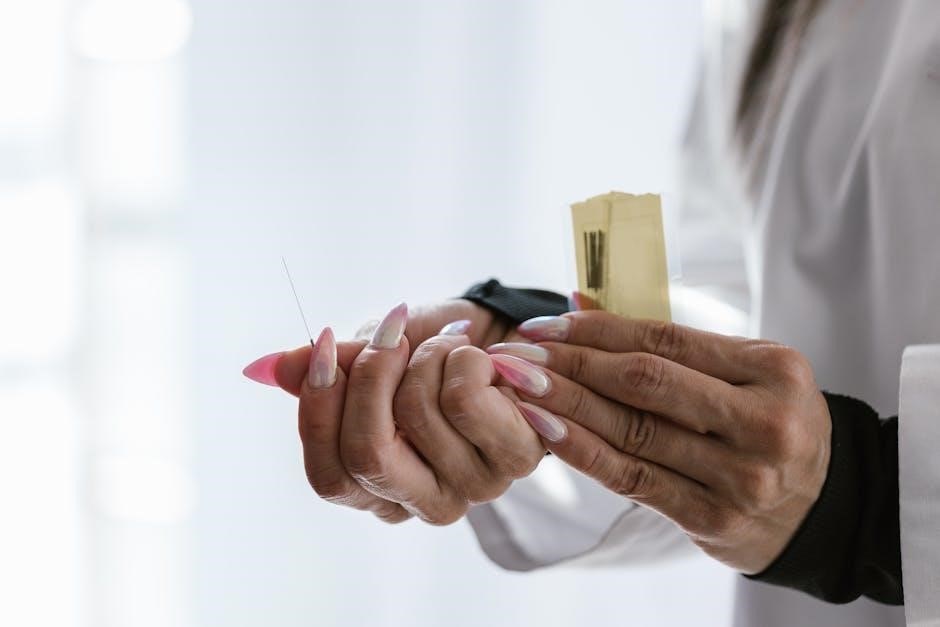
The core principle of MFR lies in applying sustained, gentle pressure to fascial restrictions. Therapists use their hands to feel for areas of tightness or restriction in the fascia, then apply a slow, steady force to encourage release. Unlike traditional massage, MFR doesn’t force the tissue; it allows the body to naturally unwind and release tension.
These techniques aim to restore optimal length and mobility to the fascia, improving postural alignment, reducing pain, and enhancing overall body mechanics. MFR can be applied to various areas of the body, targeting specific fascial lines or addressing widespread restrictions. It’s a subtle yet powerful approach, recognizing the interconnectedness of the body’s systems and promoting a holistic healing response.
Visceral Manipulation: Addressing Internal Connections
Visceral Manipulation (VM), a key component of Integrative Manual Therapy (IMT), acknowledges the profound influence of the internal organs on overall health and well-being. This technique recognizes that restrictions within the visceral system – the organs, their membranes, and supporting ligaments – can create tension throughout the body, contributing to pain and dysfunction.
VM focuses on gently assessing and normalizing the mobility and position of the organs. Therapists use subtle manual techniques to release restrictions in the connective tissues surrounding the organs, allowing them to move more freely and function optimally. This isn’t direct manipulation of the organs themselves, but rather of the tissues that support and suspend them.

By addressing visceral restrictions, VM can improve organ function, enhance lymphatic drainage, and reduce nerve irritation. It’s particularly effective for conditions like digestive issues, chronic pain, and postural imbalances. VM recognizes the body as an interconnected web, where the health of the internal organs directly impacts musculoskeletal function and overall vitality, promoting a holistic healing approach.
Craniosacral Therapy: Gentle Influence on the Nervous System
Craniosacral Therapy (CST), integral to Integrative Manual Therapy (IMT), is a gentle, non-invasive approach focused on the craniosacral system – comprised of the membranes and fluid surrounding the brain and spinal cord. It operates on the premise that subtle restrictions in this system can impact nervous system function and contribute to a wide range of health issues.
CST practitioners use a light touch to detect and release restrictions in the craniosacral rhythm, the subtle movement of fluid within this system. This gentle manipulation encourages the body’s self-corrective mechanisms to restore optimal nervous system function. It’s not about forcing change, but facilitating the body’s innate healing capacity.
CST is often used to address headaches, neck pain, stress, anxiety, and even trauma. By releasing tension around the brain and spinal cord, it can improve nervous system communication, reduce pain, and promote a sense of deep relaxation and well-being. It’s a profoundly gentle yet powerful technique within the broader scope of IMT.
Joint Mobilization and Manipulation
Joint Mobilization and Manipulation are core components within Integrative Manual Therapy (IMT), addressing restrictions in joint movement that can contribute to pain and dysfunction. These techniques aim to restore optimal joint mechanics and reduce associated muscle tension, enhancing overall movement patterns.
Mobilization involves gentle, rhythmic movements to increase joint range of motion and decrease pain. It focuses on restoring normal joint play – the small, passive movements within a joint. Manipulation, on the other hand, utilizes a high-velocity, low-amplitude thrust to restore joint alignment and reduce restrictions.
IMT practitioners carefully assess each joint to determine the most appropriate technique. These aren’t forceful adjustments; they are skilled applications designed to address specific biomechanical imbalances. Combined with other IMT techniques like myofascial release, joint work supports improved posture, reduced pain, and enhanced functional capacity, promoting holistic wellness.

The Benefits of Integrative Manual Therapy for Wellness
IMT offers diverse benefits, including pain reduction, improved flexibility, stress relief through nervous system regulation, and heightened body awareness – fostering comprehensive wellness.
Pain Management and Reduction
Integrative Manual Therapy (IMT) excels in pain management by addressing the root causes, not merely the symptoms. Unlike approaches focusing solely on the site of pain, IMT considers the interconnectedness of the body’s systems – fascia, muscles, nerves, and organs. This holistic perspective allows practitioners to identify and release restrictions that contribute to pain patterns.
Through specialized manual techniques, such as myofascial release and visceral manipulation, IMT aims to restore optimal biomechanics and reduce tissue tension. By releasing fascial restrictions, which can compress nerves and limit movement, IMT alleviates pain and improves function. Visceral manipulation addresses pain originating from internal organs, recognizing their influence on musculoskeletal health.
Furthermore, IMT’s gentle yet effective approach can modulate the nervous system, reducing sensitivity to pain signals. This is particularly beneficial for chronic pain conditions where the nervous system becomes sensitized. The result is not just temporary pain relief, but a lasting improvement in overall well-being and a reduction in reliance on pain medication. IMT empowers the body’s natural healing capabilities, offering a sustainable path to pain freedom.
Improved Range of Motion and Flexibility
Integrative Manual Therapy (IMT) significantly enhances range of motion and flexibility by addressing the underlying restrictions that limit movement. These restrictions often stem from fascial adhesions, muscle imbalances, and joint dysfunctions – all areas expertly targeted by IMT’s diverse techniques.
Manual therapy techniques like joint mobilization and myofascial release play a crucial role. Joint mobilization restores proper joint mechanics, reducing stiffness and improving articulation. Simultaneously, myofascial release addresses the connective tissue surrounding muscles, releasing tension and restoring elasticity. This combined approach allows for greater freedom of movement.
IMT doesn’t simply stretch muscles; it restores the optimal length and tension of the entire myofascial system. This holistic approach leads to more sustainable improvements in flexibility compared to traditional stretching alone. By addressing the root causes of restricted movement, IMT facilitates improved posture, reduced risk of injury, and enhanced athletic performance. The gentle, yet effective, nature of IMT makes it suitable for individuals of all ages and fitness levels seeking to regain or optimize their physical capabilities.
Stress Reduction and Nervous System Regulation
Integrative Manual Therapy (IMT) profoundly impacts stress reduction and nervous system regulation, moving beyond symptom management to address the body’s inherent self-healing capabilities. Chronic stress often manifests as physical tension, particularly within the fascia and muscles, creating a feedback loop that amplifies nervous system dysregulation.
Techniques like Craniosacral Therapy, a core component of IMT, gently influence the nervous system by releasing restrictions around the brain and spinal cord. This subtle work promotes a shift from the sympathetic “fight or flight” response to the parasympathetic “rest and digest” state, fostering a sense of calm and well-being.
Furthermore, addressing myofascial restrictions through manual release techniques helps to downregulate the nervous system. By releasing physical tension, IMT interrupts the pain-spasm cycle and reduces the body’s overall stress load. This holistic approach supports improved sleep, reduced anxiety, and enhanced emotional resilience, ultimately promoting a more balanced and regulated nervous system. IMT recognizes the interconnectedness of mind and body, offering a pathway to lasting stress relief.
Enhanced Body Awareness and Proprioception
Integrative Manual Therapy (IMT) significantly enhances body awareness and proprioception – the body’s ability to sense its position in space. Often, pain and dysfunction arise from a diminished awareness of subtle imbalances and movement patterns. IMT’s hands-on approach encourages patients to actively participate in their healing process, fostering a deeper connection with their bodies.
Through gentle, focused touch and specific manual techniques, practitioners help patients identify areas of tension, restriction, and asymmetry. This heightened sensory input allows individuals to become more attuned to their body’s signals, recognizing subtle cues that previously went unnoticed.
As fascial restrictions are released and joint mechanics are improved, proprioceptive feedback is enhanced. This improved awareness translates into more efficient movement patterns, better posture, and a reduced risk of re-injury. IMT doesn’t just treat symptoms; it empowers individuals to understand and respond to their body’s needs, cultivating a lasting sense of embodied presence and control.
Applications of IMT in Specific Conditions
IMT effectively addresses diverse conditions, including tendinopathy, upper extremity issues, and fascial restrictions, utilizing targeted manual techniques for optimal patient outcomes and wellness.
IMT for Tendinopathy Management
Integrative Manual Therapy (IMT) offers a promising approach to managing tendinopathy, a condition characterized by tendon pain and impaired function. Manual therapies have long been advocated as a valuable component of tendinopathy treatment protocols, and IMT builds upon this foundation with a comprehensive and individualized strategy.

Unlike solely focusing on the symptomatic area, IMT practitioners assess the interconnectedness of the body, recognizing that restrictions in surrounding tissues – fascia, muscles, and even visceral structures – can contribute to tendon overload and pain. This holistic assessment guides the selection of specific manual techniques designed to restore optimal biomechanics and reduce stress on the affected tendon.
Techniques employed may include myofascial release to address fascial restrictions, joint mobilization to improve joint mechanics, and soft tissue mobilization to release muscle tension. The goal is not simply to alleviate pain, but to address the underlying causes of the tendinopathy, promoting long-term healing and preventing recurrence. By restoring proper movement patterns and reducing compensatory strategies, IMT empowers individuals to return to their desired activities with confidence and reduced risk of re-injury.
IMT in Upper Extremity Treatment
Integrative Manual Therapy (IMT) proves highly effective in addressing a wide range of upper extremity conditions, from shoulder pain and elbow tendinopathies to wrist and hand dysfunction. The approach moves beyond isolated treatment of symptoms, recognizing the intricate interplay between the upper limb, the cervical and thoracic spine, and even the fascial connections extending to the core and lower extremities.
Treatment protocols often incorporate specific manual techniques tailored to the individual’s presentation. These may include forearm skin rolling to release fascial restrictions, gentle joint mobilization to restore optimal joint mechanics, and soft tissue mobilization to address muscle imbalances. Addressing the entire kinetic chain is crucial for lasting results.

IMT practitioners focus on identifying and correcting underlying biomechanical faults that contribute to upper extremity pain and dysfunction. This holistic approach aims to restore proper movement patterns, reduce muscle tension, and improve overall function, enabling patients to regain pain-free use of their arms and hands and return to their daily activities with improved ease and efficiency.
IMT and its Role in Addressing Fascial Restrictions
Integrative Manual Therapy (IMT) places significant emphasis on the fascia – the continuous web of connective tissue that permeates the body. Restrictions within the fascial system can contribute to pain, limited range of motion, and impaired function throughout the body, not just at the site of discomfort. IMT uniquely addresses these restrictions through specialized techniques.
Myofascial Release is a cornerstone of IMT, employing gentle, sustained pressure into the fascial connective tissue to eliminate restrictions and restore its pliability. This allows muscles to move more freely and efficiently. Practitioners utilize a variety of techniques, including skin rolling and direct compression, to release fascial adhesions.

IMT recognizes that fascial restrictions often develop as a result of trauma, inflammation, or repetitive strain. By addressing these underlying causes, IMT aims to restore optimal fascial health, improve movement patterns, and alleviate pain. This holistic approach considers the interconnectedness of the fascial network, treating the body as an integrated whole rather than focusing solely on isolated symptoms.
