Fire Alarm Manual Call Point: A Comprehensive Guide
This guide details fire alarm manual call points (MCPs)‚ crucial for initiating alarms․ MCPs‚ standard in Europe and increasingly global‚ differ from US pull stations in activation methods․
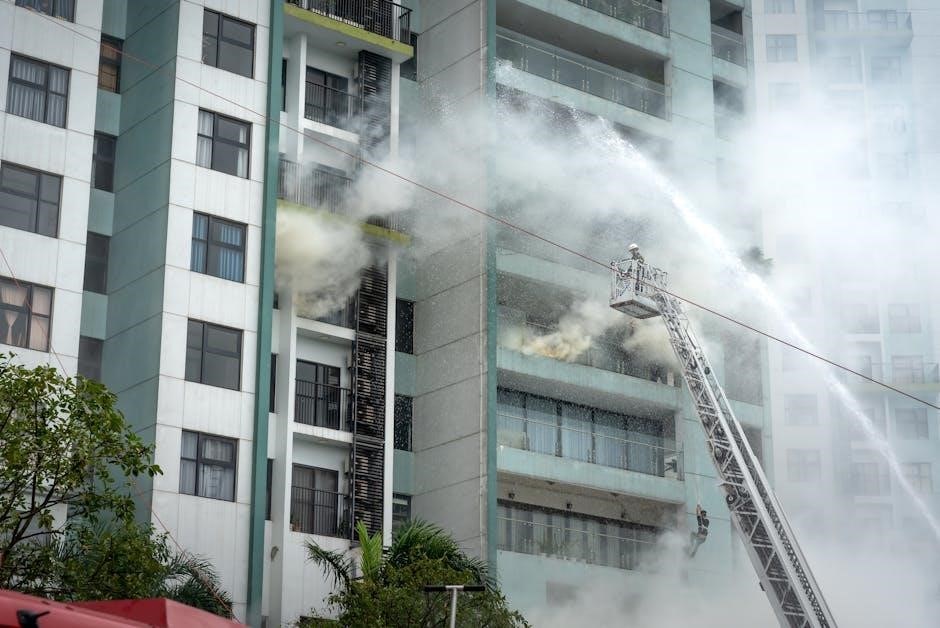
Manual Call Points (MCPs) represent a vital component of comprehensive fire detection and alarm systems‚ offering a direct means for individuals to signal a fire emergency․ Unlike automatic detection systems that rely on sensors‚ MCPs require human intervention to initiate an alarm‚ providing a crucial layer of redundancy and accessibility․ These devices are particularly important in areas where automatic detection might be less effective or where a manual confirmation is desired․
Globally‚ MCPs are becoming increasingly prevalent‚ notably as the standard in Europe‚ Asia‚ and Australia‚ though adoption is growing worldwide; They function similarly to traditional pull stations‚ completing an electrical circuit to alert the fire alarm control panel․ However‚ a key distinction lies in the activation method – MCPs typically utilize a push-to-break mechanism‚ activating via a downward push on a protective plate‚ contrasting with the lever-pulling action of many pull stations․
Understanding the role and functionality of MCPs is paramount for building owners‚ safety personnel‚ and anyone responsible for fire safety protocols․ Proper installation‚ regular maintenance‚ and familiarity with operation are essential for ensuring their effectiveness in a real-world emergency․
What is a Manual Call Point (MCP)?
A Manual Call Point (MCP) is a device designed for manual activation of a fire alarm system․ It serves as a readily accessible point for individuals to report a fire‚ supplementing automatic fire detection systems․ Typically encased in a durable‚ often weatherproof‚ enclosure‚ an MCP allows anyone to initiate an alarm regardless of their familiarity with the system’s control panel․
Instead of a lever‚ as found in many pull stations‚ MCPs commonly feature a protective plate that‚ when pushed‚ breaks a circuit‚ immediately signaling the alarm․ This action transmits a signal to the fire alarm control panel‚ indicating the zone or specific location of activation․ This immediate notification is critical for prompt emergency response․
MCPs are integral to compliance with fire safety regulations‚ such as 46 CFR Part 76‚ which mandates approved types and continuous operational capability․ They are designed for immediate operation whenever a vessel is in service‚ ensuring constant readiness․
MCP vs․ Pull Station: Global Differences
The primary distinction between a Manual Call Point (MCP) and a fire alarm pull station lies in their geographical prevalence and activation method․ While pull stations‚ utilizing a lever‚ are predominantly found in the United States and Canada‚ MCPs are the standard across Europe‚ Asia‚ and Australia‚ gaining worldwide adoption․
Activation also differs significantly․ Pull stations require a forceful pull on the lever to break the glass and activate the alarm․ Conversely‚ MCPs typically employ a push mechanism – depressing a protective plate to complete the circuit and signal the alarm․ This push-to-activate design offers a different user experience․
Functionally‚ both devices achieve the same outcome: initiating an alarm signal to the fire alarm control panel․ However‚ the choice between them often reflects regional preferences and adherence to local fire safety standards․ Both are vital components of a comprehensive fire safety system․
Historical Development of MCPs
The evolution of manual fire alarm activation devices reflects a continuous pursuit of reliable and accessible fire safety technology․ Early fire alarm systems relied on manual methods‚ initially employing bells rung by individuals who discovered a fire․ These were quickly superseded by more systematic approaches․
The development of pull stations marked a significant step forward‚ offering a dedicated device for initiating an alarm; However‚ the emergence of Manual Call Points (MCPs) represented a shift towards a more user-friendly and adaptable design‚ particularly gaining traction outside North America․
MCPs‚ with their push-to-activate mechanism‚ offered an alternative to the physical force required by pull stations․ This design choice‚ coupled with their robust construction and suitability for diverse environments‚ led to their widespread adoption in Europe and beyond․ The ongoing refinement of MCP technology continues to prioritize ease of use and false alarm prevention․
Components of a Manual Call Point
MCPs consist of an enclosure‚ activation mechanism (push or pull)‚ wiring‚ and resistors․ These elements work together to complete a circuit upon activation‚ signaling the fire alarm system․
Enclosure Materials and Weatherproofing
The enclosure of a manual call point (MCP) is a critical component‚ designed to protect the internal mechanisms from damage and environmental factors․ Typically constructed from durable plastics or weatherproof materials‚ these enclosures ensure reliable operation in diverse conditions․ The choice of material directly impacts the MCP’s suitability for indoor versus outdoor applications․
Outdoor MCPs require robust weatherproofing to withstand rain‚ snow‚ ice‚ and extreme temperatures․ This often involves sealed construction‚ gaskets‚ and UV-resistant materials to prevent degradation from sunlight exposure․ The enclosure must also protect against dust and debris‚ maintaining the integrity of the activation mechanism and wiring․
Furthermore‚ the enclosure’s design should prevent accidental activation while still allowing for easy and deliberate operation in an emergency․ Impact resistance is also a key consideration‚ ensuring the MCP can withstand potential physical damage․ Properly selected enclosure materials contribute significantly to the longevity and dependability of the entire fire alarm system․
Activation Mechanism: Push vs․ Pull
The fundamental difference between manual call points (MCPs) and pull stations lies in their activation methods․ While pull stations‚ common in North America‚ utilize a lever that is physically pulled to initiate an alarm‚ MCPs typically employ a push mechanism․ This involves depressing a plate or button‚ which then triggers the alarm signal․
The push-to-break design of MCPs completes the circuit when activated‚ immediately notifying the fire alarm system․ This method is prevalent in Europe‚ Asia‚ and Australia‚ offering a distinct operational experience․ Both mechanisms‚ however‚ achieve the same outcome: a rapid and reliable alert in case of a fire emergency․
The choice between push and pull activation often depends on regional standards and preferences․ Modern MCPs may also incorporate dual-action mechanisms to minimize false alarms‚ requiring a deliberate two-step process for activation‚ enhancing system reliability and safety․
Wiring and Circuit Completion
Manual call points (MCPs) function by completing an electrical circuit when activated‚ signaling the fire alarm control panel․ Typically‚ these devices are wired in a loop‚ allowing the system to monitor the integrity of the wiring and detect any tampering or faults․ The zone wire connects to terminals labeled loop(+) and loop(-)‚ often unpolarized․
When an MCP is activated‚ it closes the circuit‚ allowing current to flow and triggering the alarm․ If the MCP is located at the end of the zone wire‚ a 5․6K resistor must be connected to the loop(+) and loop(-) terminals․ This resistor maintains circuit integrity and ensures proper operation․

Proper wiring and circuit completion are critical for reliable fire alarm system performance․ Regular inspection and testing of the wiring and connections are essential to ensure the system functions correctly during an emergency‚ as mandated by regulations like 46 CFR Part 76․
Resistor Configuration for End-of-Line Devices

End-of-line (EOL) resistors are crucial components in fire alarm systems utilizing manual call points (MCPs)‚ ensuring reliable circuit monitoring and fault detection․ When an MCP is positioned at the terminal end of a zone’s wiring loop‚ a specific resistance value must be implemented․
Typically‚ a 5․6K Ohm resistor is connected across the loop(+) and loop(-) terminals of the final MCP in the zone․ This resistor serves as a constant impedance‚ allowing the fire alarm control panel to continuously monitor the circuit for opens or shorts․ Without the EOL resistor‚ the system might falsely interpret a wiring issue as an alarm activation․
Correct resistor configuration is vital for system integrity‚ adhering to standards like 46 CFR Part 76․ Proper installation prevents false alarms and guarantees the system’s ability to accurately identify and respond to genuine fire events‚ enhancing overall safety․
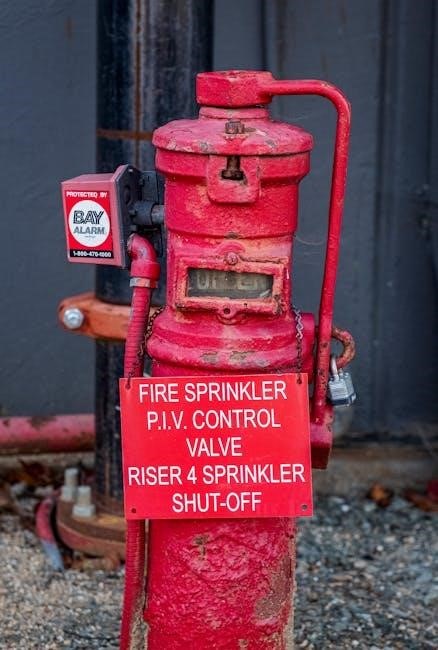
Installation and Placement of MCPs
Proper MCP installation demands adherence to regulations like 46 CFR Part 76‚ ensuring immediate operability and strategic placement for optimal coverage and accessibility․
Regulatory Standards (46 CFR Part 76)
Compliance with 46 CFR Part 76‚ specifically Subpart 76․27‚ is paramount for vessels operating under US Coast Guard jurisdiction․ This regulation dictates that all components of a fire detection and alarm system – including detectors‚ manual alarm stations (MCPs)‚ control panels‚ and notifying devices – must be of an approved type․
The system’s capability for immediate operation is non-negotiable whenever the vessel is in service‚ demanding constant readiness․ Crucially‚ 46 CFR Part 76 mandates that the fire detection and alarm system must actively control and monitor input signals originating from all connected detectors and manual pull stations or call points․
This continuous monitoring ensures that any activation‚ whether from a detector sensing smoke or heat‚ or a manual activation via an MCP‚ is instantly recognized and triggers the appropriate alarm response․ Proper documentation of approved equipment and regular system checks are essential for demonstrating adherence to these stringent regulatory requirements․
Optimal Placement Locations
Strategic placement of Manual Call Points (MCPs) is critical for ensuring accessibility and rapid response during a fire emergency․ Locations should prioritize high-traffic areas‚ including exits‚ stairwells‚ corridors‚ and near fire doors‚ allowing easy access for building occupants․ Visibility is key; MCPs must be readily noticeable and unobstructed by furniture or other objects․
Consider areas with potential fire hazards‚ such as kitchens‚ workshops‚ or electrical rooms‚ as prime locations․ Placement near access points to different zones facilitates accurate identification of the fire’s origin․ High-rise buildings require careful consideration of vertical circulation routes‚ ensuring MCPs are available on each floor and at strategic points within those floors․
Regular assessments should be conducted to verify that MCPs remain unobstructed and visible‚ adapting placement as building layouts or usage patterns change․ Prioritizing accessibility for all occupants‚ including those with disabilities‚ is a fundamental aspect of optimal placement․
Height and Accessibility Considerations

Proper height and accessibility are paramount when installing Manual Call Points (MCPs) to ensure usability for all individuals‚ regardless of physical ability․ Regulatory standards‚ like those outlined in 46 CFR Part 76‚ emphasize immediate operability․ Generally‚ MCPs should be mounted at a height between 3․5 and 4․5 feet (approximately 107 to 137 centimeters) from the floor․
This height range accommodates most adults and allows for easy reach․ However‚ consideration must be given to individuals using wheelchairs or those with limited reach․ Clear floor space should be provided in front of the MCP to allow for maneuvering․ Avoid obstructions that could hinder access‚ such as protruding objects or narrow passageways․
Tactile signage and contrasting colors can further enhance accessibility for visually impaired individuals․ Regular inspections should verify that MCPs remain accessible and free from obstructions‚ ensuring they can be operated quickly and efficiently in an emergency․
Spacing Requirements for Coverage
Determining appropriate spacing for Manual Call Points (MCPs) is critical for ensuring comprehensive fire alarm activation coverage throughout a facility․ While specific regulations vary based on building type and occupancy‚ a general guideline is to space MCPs no more than 200 feet (approximately 61 meters) apart․ This ensures that an individual doesn’t have to travel an excessive distance to reach an activation point․
However‚ this distance may need to be reduced in areas with complex layouts‚ obstructions‚ or high pedestrian traffic․ Consider visibility and accessibility when determining placement․ Areas with limited visibility or potential obstructions require closer spacing․ Compliance with 46 CFR Part 76 mandates a fully functional system at all times‚ implying adequate coverage․
Regular risk assessments should inform spacing decisions‚ prioritizing areas with higher fire risk or potential for delayed detection․ Proper spacing maximizes the effectiveness of the fire alarm system and enhances overall life safety․

Operation and Functionality
MCP activation completes a circuit‚ signaling the fire alarm system․ This triggers an alarm condition‚ transmitting signals to the control panel for immediate response and notification․
How a Manual Call Point Activates the System
The activation of a manual call point (MCP) is a straightforward‚ yet critical‚ process designed for immediate signaling of a potential fire․ Unlike automatic detection systems‚ MCPs rely on human intervention to initiate an alarm․ When the push element of an MCP is depressed – or‚ in the case of a pull station‚ the lever is pulled – a physical change occurs within the device‚ completing an electrical circuit․
This completed circuit sends a signal directly to the fire alarm control panel․ The control panel‚ constantly monitoring these circuits‚ recognizes the change in state as an alarm trigger․ This immediate action is vital‚ as it bypasses the need for smoke or heat to reach a specific threshold for detection․ The system then transitions into an alarm condition‚ activating audible and visual alarms throughout the facility‚ alerting occupants to evacuate and emergency services to respond․
The speed and reliability of this activation process are paramount in minimizing potential damage and ensuring life safety․ Proper functioning and regular testing of MCPs are therefore essential components of a comprehensive fire safety strategy․
Alarm Signal Transmission
Upon activation‚ a manual call point (MCP) initiates a rapid alarm signal transmission to the fire alarm control panel․ This transmission relies on the completion of a pre-established electrical circuit‚ signaling a change in the system’s normal state․ The control panel‚ the central hub of the fire alarm system‚ immediately recognizes this circuit change as an alarm event․
The panel then activates pre-programmed responses‚ including the activation of audible alarms – such as bells‚ horns‚ or speakers – and visual notification appliances like strobe lights․ Simultaneously‚ the control panel may transmit an alarm signal to a central monitoring station or directly to the fire department‚ depending on the system’s configuration․
For MCPs at the end of a zone‚ a 5․6K resistance is often required to ensure proper signal transmission․ This resistance helps maintain circuit integrity and accurate zone identification․ The entire process‚ from activation to notification‚ is designed for speed and reliability‚ maximizing response time in a fire emergency․
Resetting a Manual Call Point
After an alarm event triggered by a manual call point (MCP)‚ proper resetting is crucial to restore the fire alarm system to its normal operational state․ The reset procedure typically involves accessing the activated MCP and physically returning it to its original‚ non-alarm condition․ For push-plate MCPs‚ this means lifting the plate back into its flush position․
However‚ simply resetting the MCP itself isn’t always sufficient․ Most modern fire alarm systems require a manual reset at the fire alarm control panel (FACP) after the MCP has been restored․ This is a deliberate safety feature to ensure that someone has investigated the cause of the alarm and confirmed it’s safe to disable the system’s alarm state․
The FACP reset process usually involves using a key or entering a specific code to acknowledge and clear the alarm signal․ Failure to properly reset both the MCP and the FACP can result in the system remaining in alarm or preventing future alarm signals from being effectively transmitted․
Dual-Action MCPs and False Alarm Prevention
False alarms are a significant concern with any fire alarm system‚ and manual call points are no exception․ To mitigate accidental or malicious activations‚ dual-action MCPs are frequently employed․ These devices require two distinct actions to initiate an alarm‚ significantly reducing the likelihood of inadvertent triggering․
A common dual-action mechanism involves lifting a protective cover or breaking a glass panel before the activating element (push plate or lever) can be operated․ This added step acts as a deterrent and prevents accidental contact․ Some advanced models may incorporate a delay function‚ providing a brief window to cancel the activation if it was unintentional․
Implementing dual-action MCPs‚ alongside regular system maintenance and staff training‚ is a proactive approach to minimizing false alarms‚ ensuring the fire alarm system remains a reliable life-safety tool․ Proper installation and adherence to regulatory standards are also vital․

Maintenance and Testing
Regular inspection‚ testing‚ and documentation are vital for MCP reliability․ Frequent checks identify issues‚ while testing confirms proper function and circuit completion․
Regular Inspection Procedures
Consistent visual inspections are the cornerstone of MCP maintenance․ Examine enclosures for physical damage – cracks‚ breaks‚ or signs of tampering – ensuring they maintain their protective integrity․ Verify the activation mechanism‚ whether a push plate or pull lever‚ moves freely without obstruction․ Confirm the glass (if applicable) is intact and not compromised‚ preventing accidental or unauthorized activation․
Inspect wiring connections for tightness and corrosion‚ ensuring a reliable circuit path․ Check for proper labeling‚ clearly identifying the MCP’s location within the fire alarm zone․ Dust and debris accumulation should be removed to prevent interference with functionality․ Documentation of each inspection‚ including date‚ time‚ and findings‚ is crucial for maintaining a comprehensive maintenance record․ Any discrepancies or damage discovered during inspection must be promptly addressed and rectified to guarantee the system’s readiness․
Testing Frequency and Methods
MCPs require regular functional testing to confirm operational reliability․ Testing should occur at least annually‚ and ideally semi-annually‚ adhering to relevant fire safety regulations․ Activation testing involves initiating an alarm signal from the MCP‚ verifying its transmission to the fire alarm control panel and subsequent activation of audible and visual notification appliances․
Ensure the panel accurately identifies the zone associated with the activated MCP․ Following activation‚ confirm the system resets correctly․ If the MCP is at the end of a zone‚ verify the 5․6K resistor (if required) is functioning correctly to maintain circuit integrity․ Detailed records of each test‚ including date‚ time‚ results‚ and any corrective actions taken‚ are essential․ Qualified personnel should perform testing‚ utilizing appropriate procedures to avoid false alarms and ensure system integrity․
Troubleshooting Common Issues
Common MCP issues include false alarms‚ communication failures‚ and physical damage․ False alarms can stem from accidental activation or wiring faults; investigate thoroughly before resetting․ Communication failures often indicate wiring problems – check connections at the MCP‚ control panel‚ and any intermediate devices․ Ensure proper loop polarity if applicable․
If an MCP fails to activate the system‚ verify the resistor configuration (5․6K at zone end) and wiring continuity․ Physical damage to the enclosure or activation mechanism necessitates immediate replacement․ Regularly inspect for corrosion or debris obstructing operation․ Document all troubleshooting steps and resolutions․ If issues persist‚ consult a qualified fire alarm technician to diagnose and repair complex problems‚ ensuring system reliability and compliance with safety standards․
Record Keeping and Documentation
Meticulous record-keeping is vital for fire alarm system integrity․ Maintain a detailed log of all MCP inspections‚ testing‚ and maintenance activities‚ including dates‚ findings‚ and corrective actions․ Document any repairs or replacements‚ noting the MCP’s location and serial number․ Keep records of resistor configurations‚ especially for end-of-line devices‚ to ensure proper circuit supervision․
Retain wiring diagrams and system schematics for easy troubleshooting and future reference․ Regulatory standards‚ like 46 CFR Part 76‚ mandate system capability for immediate operation; documentation proves compliance․ Accurate records facilitate efficient system management‚ demonstrate due diligence during inspections‚ and aid in identifying recurring issues․ Proper documentation is crucial for a safe and reliable fire detection and alarm system‚ protecting life and property․
