Manual Transmission to Automatic Conversion Kit: A Comprehensive Plan
Considering a shift? This guide details converting a manual car to automatic, exploring feasibility, costs, and complexities for a smoother driving experience.
The allure of automatic transmissions is strong for drivers seeking convenience, especially in congested areas. Converting a manual gearbox vehicle to an automatic system is a technically achievable, though complex, undertaking. This process involves replacing numerous components, not simply swapping gearboxes. It’s a significant modification impacting the vehicle’s operation and potentially its value.
Many owners, fatigued by constant clutch engagement and gear changes, explore this conversion. However, it’s crucial to understand the scope of work, associated costs, and potential challenges before embarking on this project. Careful planning and research are paramount for a successful outcome.
Why Convert? Benefits and Drawbacks
The primary driver for conversion is enhanced convenience, particularly for daily commutes in stop-and-go traffic. Automatic transmissions eliminate the need for constant clutch and gear manipulation, reducing driver fatigue. A successful conversion could potentially increase a vehicle’s market appeal to a broader range of buyers, though this isn’t guaranteed.
However, conversions are expensive and complex. They can diminish driver engagement and potentially impact fuel efficiency. Thoroughly weigh these pros and cons before committing to the process.
Convenience and Ease of Driving
For many drivers, the allure of an automatic transmission lies in its simplicity. Eliminating the clutch pedal and gear shifting dramatically reduces the mental and physical workload, especially during congested commutes. This is particularly appealing for those who frequently encounter heavy traffic conditions.
Automatic transmissions offer a smoother, more relaxed driving experience, allowing the driver to focus more on the road and less on mechanical operation. It’s a significant comfort upgrade for many.
Increased Vehicle Value (Potential)
While not guaranteed, converting a manual transmission vehicle to automatic could potentially increase its market value, depending on regional preferences and buyer demographics. In areas where automatic transmissions are highly favored, a converted car might appeal to a wider range of potential purchasers.
However, the cost of the conversion must be weighed against any potential increase in resale value. A poorly executed conversion could actually decrease value.
Cost Considerations & Complexity
Converting isn’t cheap. Expect significant expenses beyond the kit itself, including labor (if not DIY), potential drivetrain modifications, and unforeseen issues. Complexity varies greatly by vehicle; some conversions are straightforward, while others require extensive fabrication and wiring.
Budget realistically, factoring in potential problems. A rushed or improperly executed conversion can lead to costly repairs and diminished reliability, negating any perceived benefits.
Understanding the Components Involved
A successful conversion demands knowledge. The automatic transmission replaces the manual, but it’s not a simple swap. A torque converter takes the clutch’s role, utilizing fluid dynamics for power transfer. Crucially, a Transmission Control Module (TCM) manages gear shifts electronically.
Wiring harnesses connect the TCM to sensors, requiring careful integration with the vehicle’s existing electrical system. Understanding these core components is vital for planning and execution.
The Automatic Transmission Itself

Automatic transmissions are complex systems. Unlike manual gearboxes with fixed ratios, automatics utilize planetary gearsets to achieve various speeds. Hydraulic pressure, controlled by the TCM, engages these gears. Different types exist – traditional, electronically controlled, and continuously variable (CVT).
Selecting the right automatic transmission is crucial, considering factors like vehicle weight, engine power, and intended use. Proper lubrication and cooling are essential for longevity.
Torque Converter vs. Clutch System
The torque converter replaces the manual clutch. While a clutch mechanically connects/disconnects the engine, a torque converter uses fluid dynamics. It allows some slippage, providing smoother starts and preventing stalling. It also multiplies torque at low speeds, enhancing acceleration.
However, torque converters are less efficient than clutches, leading to slight power loss. Modern lock-up torque converters mitigate this by creating a direct mechanical link at cruising speeds.
Transmission Control Module (TCM) & Wiring Harness
The TCM is the brain of the automatic transmission. It manages gear shifts based on vehicle speed, throttle position, and other sensor inputs. A new wiring harness is crucial, connecting the TCM to the transmission, engine, and vehicle’s computer.
Proper wiring is vital; incorrect connections can cause shifting problems or even transmission damage. Some kits include a standalone TCM, while others require reprogramming the existing vehicle’s ECU.
Conversion Kit Options: Types and Features
Several kit types cater to different needs and budgets. Standalone kits typically include just the automatic transmission, requiring sourcing other components separately. Complete packages offer everything needed – transmission, TCM, wiring harness, and even cooler lines.
Universal kits are adaptable to various vehicles, while vehicle-specific kits provide a more straightforward installation. Features vary, including electronic or cable-operated shifting and different torque converter options.
Standalone Automatic Transmission Kits
These kits focus solely on the transmission itself, offering a cost-effective starting point for experienced mechanics. They demand extensive research and sourcing of compatible parts – a torque converter, transmission cooler, shift linkage, and a Transmission Control Module (TCM).
Expect to handle wiring and potentially modify the driveshaft. Standalone kits suit those comfortable with a complex, customized installation, prioritizing budget over convenience.
Complete Conversion Packages
Offering maximum convenience, complete packages bundle nearly everything needed for the swap. This includes the automatic transmission, TCM, wiring harness, shift linkage, cooler, and often even a modified driveshaft.
They significantly reduce the sourcing headache and ensure component compatibility. While pricier upfront, they streamline installation, especially for those less familiar with intricate automotive work. Expect detailed instructions, minimizing potential errors during the conversion process.
Universal vs. Vehicle-Specific Kits
Universal kits aim for broad compatibility, requiring more fabrication and adaptation to fit your specific vehicle. They’re generally cheaper but demand significant mechanical skill and potentially custom parts.
Vehicle-specific kits, conversely, are engineered for particular makes and models, promising a more straightforward installation with fewer modifications. Though more expensive, they offer superior fitment and reduced complexity, ideal for DIYers or professional installers seeking efficiency.
Vehicle Compatibility: Assessing Your Car
Before investing, thoroughly evaluate your vehicle’s compatibility. Engine horsepower and torque must align with the automatic transmission’s specifications to prevent strain or failure. Drivetrain layout – front-wheel drive, rear-wheel drive, or all-wheel drive – dictates kit selection and potential modifications.
Crucially, assess if the transmission tunnel requires modification to accommodate the larger automatic transmission. Ignoring these factors can lead to costly complications.
Engine Compatibility (Horsepower & Torque)
Critical assessment is key: Your engine’s horsepower and torque outputs must match the automatic transmission’s ratings. Exceeding these limits risks premature wear, slippage, or catastrophic failure of the transmission components. Lower outputs may result in sluggish performance.
Consult the transmission’s specifications and your vehicle’s engine data. A mismatch necessitates selecting a more robust – and expensive – transmission.
Drivetrain Considerations (FWD, RWD, AWD)
Drivetrain layout significantly impacts conversion complexity. Front-wheel drive (FWD) conversions are generally simpler, while rear-wheel drive (RWD) require careful consideration of driveshaft angles and potential differential compatibility. All-wheel drive (AWD) presents the most challenges.
AWD systems often necessitate specialized kits and programming to ensure proper power distribution. Confirm the automatic transmission is compatible with your specific drivetrain configuration before proceeding.
Tunnel Modification Requirements
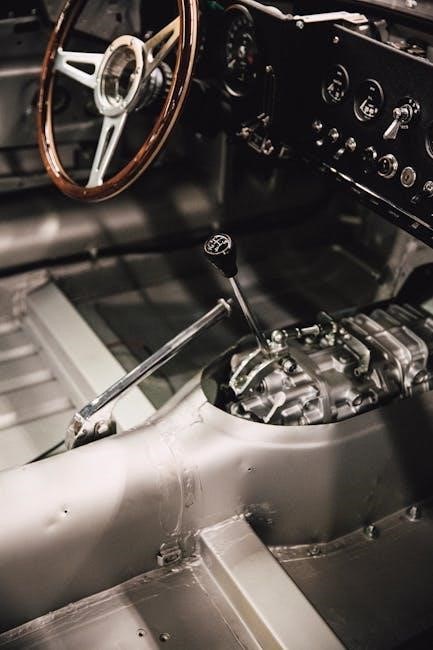
The center console “tunnel” often needs alteration. Manual transmissions typically require a smaller tunnel opening than automatics; Expect potential cutting, welding, and reshaping to accommodate the larger automatic transmission and its associated linkage.
Assess the existing tunnel’s construction; some vehicles offer more modification leeway than others. Consider professional fabrication if extensive work is needed to maintain structural integrity and a clean finish.
Tools and Equipment Needed
Proper tools are crucial for a successful conversion. You’ll require standard mechanic’s tools: sockets, wrenches, screwdrivers, and pliers. Specialized equipment includes a transmission jack, engine hoist, and potentially welding equipment for tunnel modifications.
Diagnostic tools, like an OBDII scanner, are essential for TCM programming. Safety gear – gloves, eye protection, and jack stands – is non-negotiable. A comprehensive repair manual specific to your vehicle is highly recommended.
Step-by-Step Conversion Process Overview
The conversion involves several key stages. First, carefully remove the existing manual transmission, driveshaft, and related components. Next, install the automatic transmission, ensuring proper mounting and alignment. Wiring the TCM and connecting all necessary sensors is critical for functionality.
Finally, connect the driveshaft, install the shifter assembly, and perform thorough fluid checks. This overview simplifies a complex process; detailed instructions are vital.
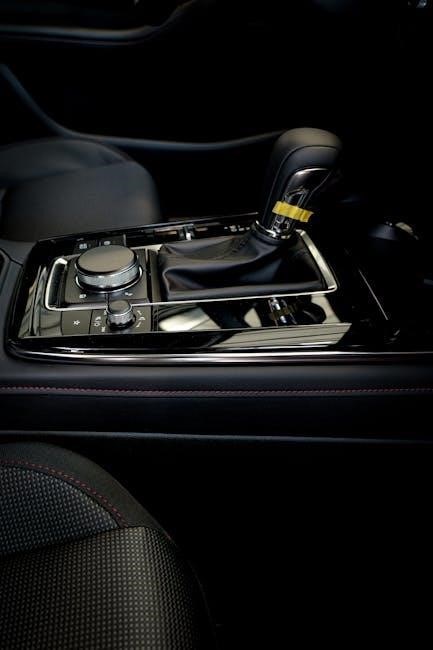
Removing the Manual Transmission
Begin by disconnecting the driveshaft and shifter linkage. Support the engine from above to prevent tilting during removal. Unbolt the transmission from the engine, carefully lowering it with a transmission jack. Drain all fluids beforehand to avoid spills.
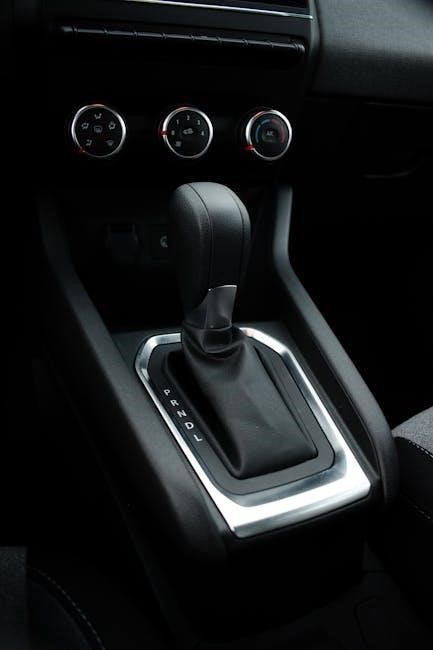
Disconnect wiring harnesses and the clutch hydraulic line. This step requires patience and attention to detail; label all connections for easier reassembly later.
Installing the Automatic Transmission
Carefully raise the automatic transmission with a transmission jack, aligning it with the engine mounting points. Bolt the transmission securely into place, ensuring proper torque specifications are followed. Reconnect the driveshaft, being mindful of potential length adjustments needed.
Install the torque converter, and connect the cooler lines. Double-check all connections before proceeding, verifying proper alignment and secure fastening for reliable operation.
Wiring the TCM and Sensors
Connect the Transmission Control Module (TCM), carefully following the wiring diagram provided with your conversion kit. This involves linking sensors – speed, throttle position, and input/output – to the TCM. Ensure all connections are secure and properly insulated to prevent shorts.
Proper grounding is crucial for TCM function. Verify power supply to the TCM and perform a preliminary diagnostic scan to confirm sensor recognition.
Addressing Potential Challenges
Conversion isn’t always seamless. Expect hurdles like driveshaft length discrepancies requiring modification or replacement. Shifter cable/lever installation can be tricky, demanding precise alignment for smooth gear selection. Pedal assembly changes – potentially needing a brake booster – are often necessary.
Tunnel modifications might be needed for automatic transmission fitment. Thoroughly assess these challenges before starting, and budget for unforeseen adjustments.
Driveshaft Modifications & Length Adjustments
Automatic transmissions often differ in length from their manual counterparts, frequently necessitating driveshaft adjustments. This could involve shortening or lengthening the existing shaft, or complete replacement with a unit tailored to the new transmission.
Incorrect driveshaft length causes vibrations and damage. Professional measurement and modification are crucial for a safe, reliable outcome. Consider slip yokes or carrier bearing relocation if applicable.
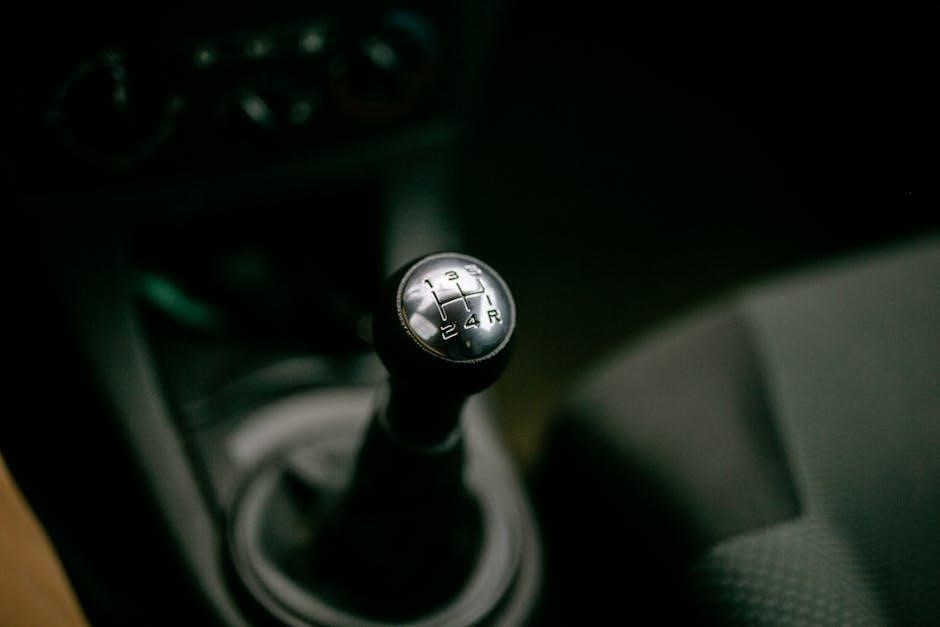
Shifter Cable/Lever Installation
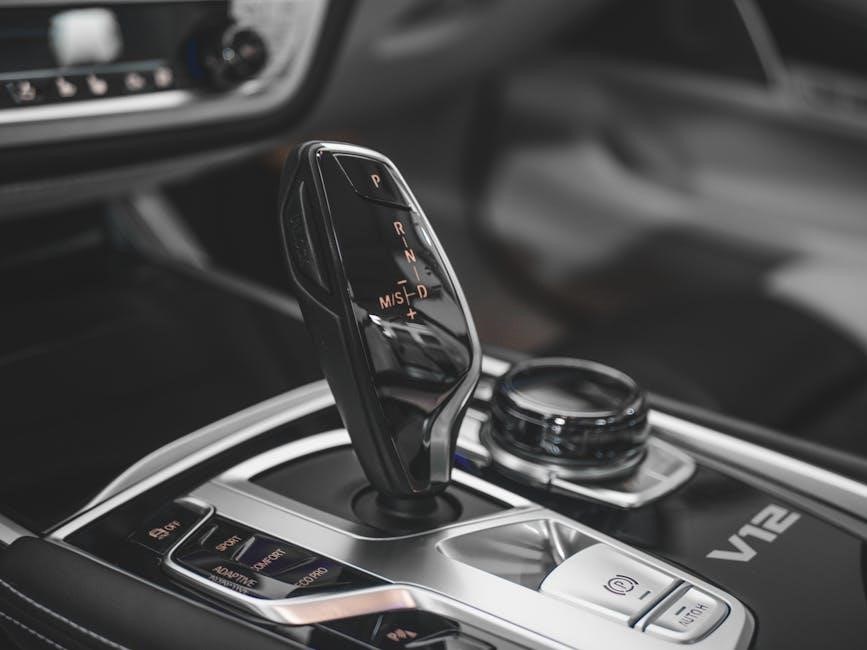
Removing the manual shifter mechanism is straightforward, but installing the automatic’s selector linkage requires careful attention. This typically involves a new shifter cable or lever, specific to the automatic transmission and vehicle model.
Proper adjustment is vital for accurate gear selection. Incorrect installation can lead to difficulty shifting or even damage to the transmission. Ensure secure mounting and smooth operation before proceeding.
Pedal Assembly Changes (Brake & Accelerator)
Automatic transmissions eliminate the clutch pedal, necessitating its removal and potential blanking plate installation. The brake pedal may require modification or replacement, depending on the kit and vehicle. Some kits include a redesigned pedal assembly.
Accelerator linkage adjustments are crucial for smooth throttle response. Ensure proper cable routing and secure connections. Incorrect pedal adjustments can affect drivability and safety, so meticulous attention is key.
Post-Conversion: Fluid Checks and Calibration
After installation, thoroughly check the automatic transmission fluid level using the dipstick, ensuring it’s within the recommended range. Initial fluid and filter changes are vital to remove any debris from the conversion process.
Transmission Control Module (TCM) calibration may be needed for optimal shift points and performance. Some vehicles require specialized scan tools for proper programming, guaranteeing smooth operation.
Cost Breakdown: Parts, Labor, and Unexpected Expenses
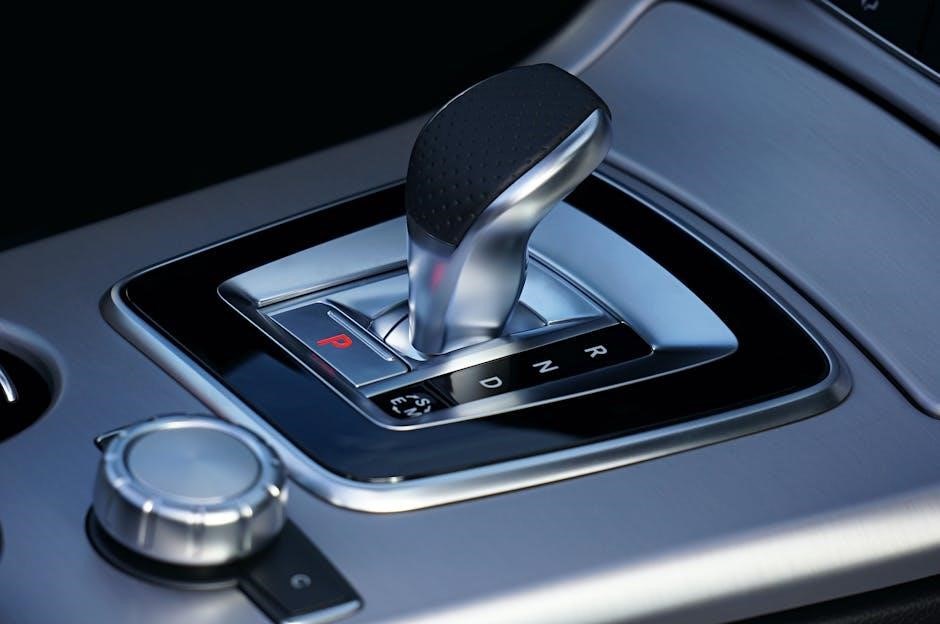
Conversion costs vary widely. Expect to spend $1,500 ⎻ $5,000+ on the transmission kit itself, depending on quality and features. Professional installation adds $800 ⎻ $2,000+, depending on vehicle complexity and labor rates.
Budget for potential unforeseen expenses like driveshaft modifications ($200-$500), wiring harness adjustments, or TCM reprogramming ($100-$300). Always add a 10-15% contingency for surprises!
Legal and Insurance Implications
Modifications require disclosure. Check local laws regarding vehicle modifications; some areas mandate inspections post-conversion. Inform your insurance provider immediately! Failure to do so could invalidate your coverage in case of an accident.
Insurance premiums may increase due to the altered vehicle status. Document all parts and labor with receipts for proof of legitimate modification. Ensure the conversion meets safety standards.
Finding a Qualified Mechanic for Installation
Expertise is crucial. Don’t entrust this complex task to just anyone! Seek a mechanic with proven experience in automatic transmission installations and, specifically, manual-to-automatic conversions.
Check online reviews and ask for references. A shop specializing in transmissions is ideal. Discuss the entire process, including potential challenges, upfront. Verify they understand your vehicle’s specifics and the kit you’ve chosen.
Popular Conversion Kits by Brand
Several brands dominate the conversion kit market. AAM Competition offers comprehensive kits for various vehicles, known for quality and detailed instructions. Powertrain Products is another reputable source, specializing in GM conversions.
Lokar provides components, including shifters and brackets, often used in custom builds. Consider the kit’s completeness – standalone transmissions versus full packages. Research brand reputations and customer feedback before committing to a purchase.
Common Problems After Conversion & Troubleshooting
Post-conversion issues can arise. Slipping gears or harsh shifting often indicate incorrect fluid levels or a TCM calibration problem. Check for proper fluid type and level first. Driveshaft vibrations suggest length mismatches requiring adjustment or a new shaft.
Electrical gremlins, like sensor errors, necessitate careful wiring inspection. A diagnostic scan tool is invaluable for identifying trouble codes and guiding repairs.
Long-Term Maintenance of Converted Automatic Transmission
Consistent maintenance is crucial. Follow the automatic transmission’s recommended fluid change intervals – typically every 30,000 to 60,000 miles – using the correct fluid type. Regularly inspect for leaks around the transmission pan, seals, and cooler lines.
Monitor for any changes in shifting behavior, as these can signal developing issues. A periodic TCM scan can proactively identify potential problems before they escalate.
Performance Considerations After Conversion
Expect a shift in driving dynamics. Automatic transmissions generally offer slightly reduced acceleration compared to a well-driven manual, due to torque converter slip. However, modern automatics minimize this loss.
Fuel economy might slightly decrease, depending on the transmission and driving style. The conversion may alter the vehicle’s overall responsiveness; some drivers miss the direct control of a manual gearbox, while others appreciate the ease.
DIY vs. Professional Installation: Which is Right for You?
Assess your mechanical skills honestly. A DIY conversion is significantly cheaper but demands extensive automotive knowledge, specialized tools, and considerable time. Mistakes can be costly and dangerous.
Professional installation, while expensive, ensures proper execution, warranty coverage, and avoids potential pitfalls. Consider your comfort level with complex mechanical work, wiring, and potential troubleshooting. If unsure, a qualified mechanic is highly recommended for a successful and safe conversion.
Resources for Further Research and Support
Dive deeper with online forums! Websites dedicated to automotive modifications and specific vehicle makes offer invaluable insights from those who’ve completed similar conversions.
Manufacturer websites for conversion kits provide detailed instructions and support. YouTube channels showcase installation processes, offering visual guidance. Don’t hesitate to consult with experienced mechanics or transmission specialists for personalized advice and troubleshooting assistance throughout your project.
Future Trends in Transmission Conversion Technology
Innovation is accelerating! Expect more sophisticated, plug-and-play conversion kits with integrated software and simplified wiring harnesses. Advancements in Transmission Control Modules (TCM) will offer greater customization and smoother shifting.
Wireless communication for diagnostics and updates will become standard. We may see more readily available retrofit options for a wider range of vehicles, reducing complexity and cost, ultimately making conversions more accessible.
Safety Precautions During the Conversion Process
Prioritize safety first! Always disconnect the battery before starting any electrical work. Securely support the vehicle with jack stands – never rely solely on a jack. Wear safety glasses and gloves throughout the process.
Properly dispose of all fluids. Be mindful of hot exhaust components. If unfamiliar with automotive repair, consult a professional. Double-check all connections before operating the vehicle post-conversion.
The decision is complex. Converting from manual to automatic offers convenience, potentially increasing vehicle appeal, but involves significant cost and complexity. Carefully weigh the benefits against the financial investment and potential challenges.
For those prioritizing ease of driving, it may be worthwhile. However, enthusiasts valuing control might find it detracts from the driving experience. Thorough research and realistic expectations are crucial.
